
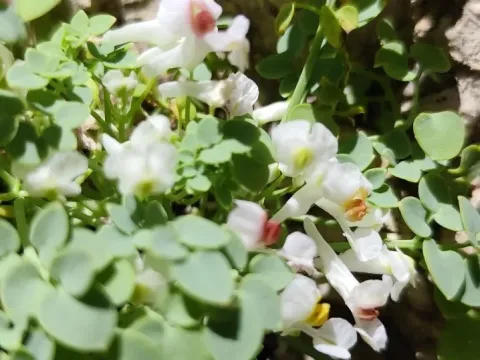
Sarcocapnos enneaphylla
Sarcocapnos enneaphylla
Propagation of Sarcocapnos enneaphylla is primarily achieved through seeds, which should be sown in containers during the late winter or early spring season.
What the section contains
Sarcocapnos enneaphylla
To ensure high germination rates, the seeds require a period of cold stratification, mimicking the natural environmental cycles of their mountain habitats.
A well-draining, gritty seed-starting medium is essential to prevent moisture-related issues, such as damping-off, during the delicate seedling stage of development.
Once seedlings have developed a few sets of true leaves, they should be carefully pricked out into individual pots to allow for adequate root development before permanent planting.
The final transplantation into the garden must be timed to avoid frost damage, typically when daytime temperatures are consistently mild and the risk of frost has passed.
This species belongs to the Papaveraceae family and is native to the rocky, limestone-rich crevices of Southern Europe, specifically across the Iberian Peninsula.
The plant thrives in sunny exposures where the substrate is highly alkaline and exhibits exceptional drainage, which is critical for its long-term survival and health.
Sarcocapnos enneaphylla is an ideal choice for rock gardens, crevice plantings, and stone walls, providing a delicate and refined aesthetic with its grey-green foliage.
Watering requirements are minimal; the plant prefers a dry environment and will quickly suffer from root rot if subjected to waterlogged soil conditions for extended periods.
In regions with harsh winters, providing a dry covering or placing the plants in a cold frame helps to protect the crowns from freezing, wet conditions.
Root and crown rots are the most common threats to the plant, primarily caused by excessive soil moisture and insufficient drainage in the growing area.
Aphids can occasionally infest the plant, particularly during warmer, drier spells, necessitating localized treatment or the use of insecticidal soap applications.
Slugs and snails are significant pests for this species, as they can rapidly consume the foliage; protecting plants with physical barriers is highly recommended.
Fungal diseases like powdery mildew may arise if air circulation is inadequate, especially during humid summer months, which weakens the plant's structural integrity.
Maintaining a clean growing space and ensuring that no debris accumulates around the base of the plant are vital practices for preventing the spread of diseases.