
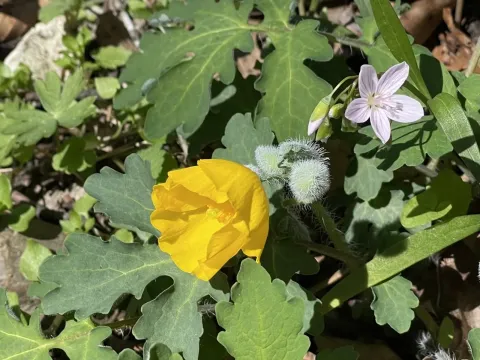
Stylophorum
Stylophorum
Stylophorum, commonly known as the wood poppy, is typically propagated via seeds which require a period of cold stratification to break dormancy successfully.
What the section contains

Stylophorum
Sowing in autumn allows the seeds to undergo natural winter stratification in the ground, leading to more uniform germination in the following spring season.
If sowing in the spring, seeds should be kept in a refrigerator for at least two months before planting. The soil must be fine-textured and kept moist until sprouts emerge.
When the seedlings develop their first set of true leaves, they should be carefully transplanted into individual pots or a dedicated nursery bed to grow stronger.
Division of mature clumps is another reliable propagation method. It is best performed in early spring or late autumn when the plant is not in its active growth phase.
As a member of the Papaveraceae family native to woodland habitats, Stylophorum thrives in environments that provide consistent moisture and filtered sunlight.
Partial shade is essential for this plant. Too much direct sunlight, especially in the afternoon, can cause leaf scorch and dehydration of the sensitive root system.
The soil should be rich in organic matter, such as leaf mold or compost, and have excellent drainage properties to prevent standing water near the rhizomes.
Stylophorum prefers a slightly acidic to neutral soil pH. It does not tolerate prolonged dry spells, making consistent watering a critical part of its care regime.
Mulching with organic material helps maintain soil moisture levels and mimics the natural forest floor conditions necessary for long-term plant vigor.
The primary threats to Stylophorum include fungal infections linked to poor site drainage and excessively humid weather conditions throughout the growing season.
Root rot is the most serious disease, often manifesting when the plant is kept in waterlogged conditions, leading to rapid decay of the underground parts.
Slugs and snails are frequent pests that target the foliage of Stylophorum, particularly during wet and cool spring days, causing significant aesthetic damage.
Aphids can also occasionally infest the developing flower buds, sucking sap and stunting growth, which necessitates early detection and treatment.
Maintaining good air circulation around the plants and avoiding overhead watering are key strategies for preventing common foliar diseases.