
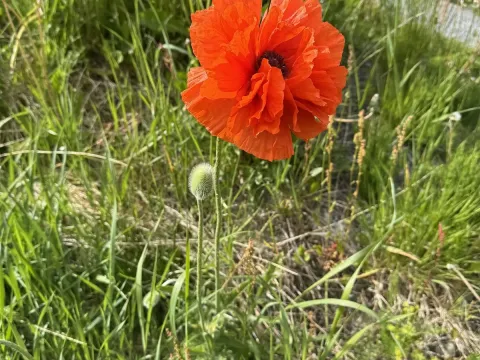
Pseudo-oriental poppy
Papaver pseudoorientale
The sowing of Papaver pseudoorientale is ideally performed in the autumn, which allows for natural stratification of the seeds and promotes uniform germination during the following spring season.
What the section contains
Pseudo-oriental poppy
Given the minute size of the seeds, they should be sown on the soil surface without deep burial. A light pressing into the soil or covering with a very thin layer of fine sand is sufficient to ensure proper contact for germination.
Adopting a row-planting method with inter-row spacing of 30 to 45 centimeters is recommended. This setup facilitates efficient weeding and allows the plants enough room for their basal leaf rosettes to expand.
Seedlings typically emerge within 14 to 20 days. Maintaining constant soil moisture during the initial development stage is critical, though one must avoid over-saturation to prevent fungal issues.
Thinning is an essential practice once the first true leaves have developed. Ensuring a distance of 20 to 30 centimeters between individual plants helps prevent overcrowding and reduces the risk of disease outbreaks.
This crop thrives in full sun exposure, which is necessary for vigorous growth and optimal flower production. Limited light often results in weak stems and reduced overall plant vitality.
Well-drained, fertile sandy or loamy soils with a neutral to slightly alkaline pH are the most suitable. Heavy, clay-rich soils that retain excess moisture can lead to root rot and should be avoided or modified.
While the plant shows good resilience to temporary drought due to its deep taproot, consistent moisture levels during the flowering stage are necessary for obtaining higher seed yields.
Proper soil aeration is essential for the healthy development of the root system. Areas with high groundwater levels are unsuitable unless adequate drainage systems are installed before planting.
Papaver pseudoorientale exhibits excellent winter hardiness. In regions with severe winters, plants benefit from mulch or snow cover to protect the crown and root system from extreme freezing temperatures.
The productivity of the pseudo-oriental poppy is primarily measured by the volume of seeds produced per unit area. Yields generally peak in the second and third year of the plant's life cycle.
A high seed yield is dependent on successful pollination. Providing habitat for local pollinators during the flowering season is an effective strategy to increase the set of seeds in the capsules.
Nutrient management, particularly the inclusion of boron in the fertilization program, is known to influence seed quality and the structural integrity of the seed capsules during the ripening phase.
Weed management plays a crucial role in overall yield. By removing competitive species early in the season, the crop can allocate more resources to the development of productive, large seed capsules.
Monitoring the maturation process is essential to avoid losses, as the poppy capsules naturally open when fully ripe, potentially causing significant seed scattering if harvesting is delayed.
Powdery mildew represents the most frequent fungal threat to this crop. It is characterized by a white, dusty growth on foliage, which significantly inhibits the plant's photosynthetic capacity.
Downy mildew and root rot are common in overly humid or poorly ventilated conditions. These diseases often lead to yellowing, wilting, and premature death of the entire plant if left unaddressed.
Insect pests, including aphids and various weevils, pose risks by damaging floral buds and extracting plant fluids, often introducing viral pathogens that cause leaf curling and stunted growth.
Implementing a crop rotation cycle of at least 3 to 4 years is a fundamental practice to break the life cycles of soil-borne pathogens and reduce the risk of infestation in new plantings.
- Sanitation: Regularly removing infected plant debris helps maintain a clean field environment.
- Fungicides: Utilizing systemic fungicides at the first sign of symptoms can prevent widespread crop damage.
- Pest Control: Applying targeted insecticides is recommended when pest population thresholds are exceeded.
Harvesting should be conducted when the capsules have turned brown, dry, and brittle. At this stage, the seeds inside are fully mature and typically turn dark in color.
Cutting the flower stalks and allowing them to finish drying in a well-ventilated, shaded area ensures that the moisture content of the seeds is reduced to optimal levels for storage.
Threshing is performed by carefully shaking the capsules over a collection bin. Any remaining plant debris is subsequently removed through winnowing or by passing the seeds through appropriately sized sieves.
Storage of the seed material must take place in breathable containers to prevent spoilage. Keeping the seeds in a cool, dry place preserves their viability for future planting seasons.
Post-harvest field management involves deep tillage to incorporate remaining plant biomass, which helps disrupt the overwintering stages of pests and reduces the potential disease load for the following year.