
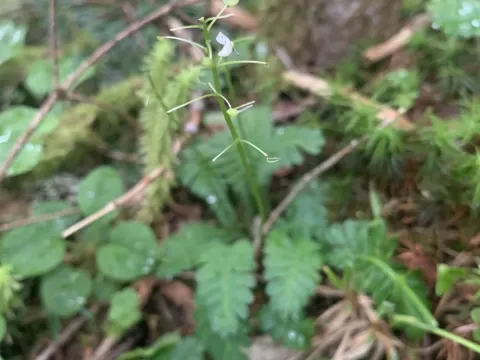
Pteridophyllum
Pteridophyllum
Pteridophyllum racemosum is a unique monotypic genus belonging to the Papaveraceae family. Despite its botanical classification, it is widely prized for its delicate, fern-like foliage, making it a highly desirable subject for woodland and rock gardens.
What the section contains

Pteridophyllum
Propagation from seed is the primary method of expanding a collection. Seeds should be sown in the autumn to benefit from natural stratification throughout the winter, which is crucial for uniform germination in the following spring.
A well-draining, peat-based substrate is essential for seed germination. It is recommended to sow seeds on the surface or cover them very lightly with a fine layer of substrate, as they require light and consistent moisture to sprout.
Seedlings remain fragile for a long time and must be kept in a controlled, semi-shaded environment. Rapid fluctuations in moisture levels during the early development stage are often fatal to young plants, necessitating precise care.
For more experienced gardeners, vegetative propagation via division of established clumps is possible. This should be performed with extreme care in the early spring, ensuring that each division retains a healthy portion of the fibrous root system.
Native to the mountain forests of Japan, Pteridophyllum thrives in cool, humid, and shaded conditions. It is an excellent choice for shaded garden areas where it can mimic its natural forest floor habitat without exposure to harsh midday sun.
The ideal soil profile should be acidic, rich in humus, and highly permeable to water. Incorporating leaf mold or composted pine needles helps achieve the desired physical structure and chemical composition required for vigorous growth.
Climate management is the most challenging aspect of growing this plant. It requires protection from extreme heat and dry winds; therefore, providing a sheltered location and consistent airflow is mandatory for its survival in warmer regions.
Regular but careful watering is required to maintain a consistently moist, yet not waterlogged, growing medium. Mulching around the base of the plant with wood chips or organic material helps regulate soil temperature and prevent root desiccation.
Pteridophyllum is not a heavy feeder and performs best with minimal intervention. A light application of balanced, slow-release fertilizer during the early growth phase is sufficient to support its annual development cycle.
Root rot is the most common threat encountered in cultivation. This condition typically arises from improper drainage or excessive watering, which causes the delicate root system to suffocate and succumb to fungal pathogens.
Mollusks, including slugs and snails, are significant pests that can devastate the foliage overnight. Implementing physical barriers, such as copper tape or specialized granules, is essential during the damp spring months when these pests are most active.
Fungal infections, such as Botrytis, can occur if the humidity levels remain too high without adequate ventilation. Keeping the surrounding area clean of debris helps reduce the risk of pathogen buildup near the plant's crown.
Aphids occasionally infest the undersides of the leaves during periods of stress. While typically not fatal, persistent infestations can weaken the plant and lead to stunted growth, necessitating the use of horticultural soaps or neem oil.
Early detection of any stress symptoms is key to successful management. Regular monitoring and maintaining optimal environmental conditions are far more effective than chemical treatments in ensuring long-term plant health.