
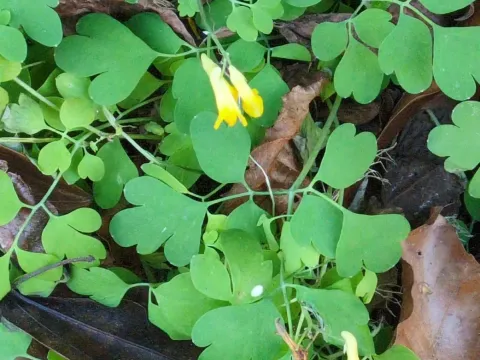
Pseudofumaria
Pseudofumaria
Pseudofumaria belongs to the Papaveraceae family and is recognized as a hardy perennial known for its delicate, fern-like foliage. Originally native to mountain regions in Europe, it thrives in limestone-rich environments and rocky soils.
What the section contains


Pseudofumaria
The cultural requirements are simple: the plant prefers well-drained soil with a neutral to slightly alkaline pH. It is highly adaptable, flourishing in both full sun and partial shade depending on the specific moisture levels of the location.
Regarding the climate, Pseudofumaria is exceptionally cold-tolerant, making it suitable for temperate regions. It does not require high levels of atmospheric humidity and is quite resistant to wind exposure.
Agricultural management is minimal, focusing on providing a well-drained site to prevent root rot. It does not need frequent fertilization, as it is naturally adapted to nutrient-poor, rocky substrates.
Proper spacing is important for long-term health, as the plant can develop a wide root system over time. Regular inspection of the foliage during the growth season is recommended to maintain its decorative look.
The primary threat to Pseudofumaria is waterlogging, which often leads to root and crown rot. Proper drainage is the most effective way to prevent these physiological issues.
Pests like slugs and snails may target the succulent leaves, particularly during rainy weather. Utilizing barriers or gravel mulch can effectively discourage these garden pests.
Aphids can occasionally infest the plant, especially during spring flushes. These pests are usually controlled by simple water sprays or insecticidal soaps if the infestation is significant.
Powdery mildew can occasionally affect the leaves if air circulation is poor, particularly in dense plantings. Ensuring enough distance between individual specimens helps to maintain airflow.
Regular monitoring for signs of wilt is essential, as fast intervention is required if fungal infection is detected at the base of the stems to avoid total loss of the plant.