
Pear-shaped poppy
Papaver subpiriforme
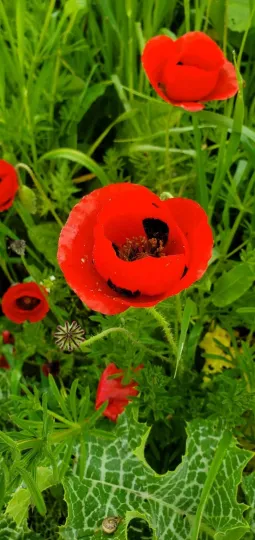
Description
Sowing dates
Pear-shaped poppy, known botanically as Papaver subpiriforme, is an annual plant belonging to the Papaveraceae family. It is valued for its specific characteristics and is typically cultivated by sowing seeds in early spring, as soon as the ground reaches a workable temperature.
The seeds are exceptionally small, requiring a shallow sowing depth of only 1 to 2 centimeters. Proper soil structure is essential; the seedbed should be fine and firm to ensure optimal germination rates across the entire field.
Precision planting technology is highly recommended to manage seed density effectively. Overcrowding can lead to stunted growth and increased disease risk, while sparse planting fails to utilize the soil potential efficiently.
Early sowing allows the crop to establish a deep root system during the cooler spring months, providing resilience against potential dry spells later in the season. Soil moisture management during the germination phase is critical.
Post-emergence management is essential, with thinning or mechanical weeding performed early to ensure the crop has adequate space to develop its characteristic capsules.
Growing requirements
This crop thrives in well-drained, loamy soils with a neutral or slightly alkaline pH. It is sensitive to waterlogging, so fields with poor drainage or high water tables should be avoided to prevent root diseases.
The pear-shaped poppy requires significant solar exposure for optimal photosynthesis and the development of high-quality seeds. Shade should be avoided as it delays maturity and reduces the oil content in the seeds.
Balanced fertilization is key; a pre-planting application of potassium and phosphorus supports root development, while nitrogen is applied during vegetative growth stages to promote healthy canopy development.
Maintaining a weed-free environment is vital, especially during the first few weeks when the poppy is developing slowly. Shallow mechanical cultivation between rows helps preserve soil moisture and aeration.
The crop is relatively drought-tolerant but responds well to consistent moisture during the critical capsule formation stage. Avoid overhead irrigation during the flowering period to prevent damage to the delicate petals.
Main diseases and pests
The primary threats to this crop include downy mildew and various root-rot fungi, which are particularly prevalent in seasons with high rainfall or high humidity. These diseases can quickly decimate a healthy stand.
Pests such as the poppy weevil pose a significant risk by damaging the developing seed pods. Monitoring for these pests during the early flowering stage is a standard component of successful crop management.
Integrated pest management (IPM) practices, including long-term crop rotation, are essential to keep disease pressure low. Rotating poppies with cereals or legumes helps break the life cycles of soil-borne pathogens.
Chemical control should be used judiciously, following strict safety regulations to protect beneficial pollinating insects. Applying insecticides during non-flowering periods is safer for the ecosystem.
- Use certified disease-free seeds.
- Implement diverse crop rotation intervals of at least 4 years.
- Destroy crop residues immediately after harvest to disrupt pest habitats.