
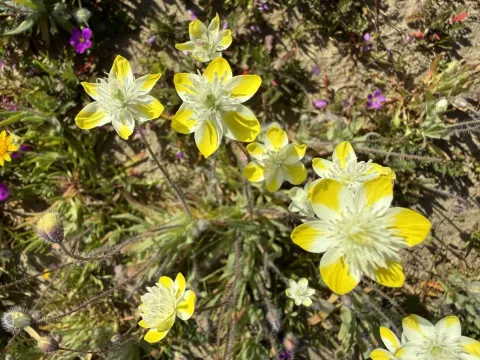
Platystemon
Platystemon
Sowing platystemon seeds in open ground is primarily carried out in mid-spring, once the threat of frost has passed and the soil has warmed up sufficiently. For early flowering, sowing in greenhouses or hotbeds is possible in late March.
What the section contains

Platystemon
The plant's seeds are highly viable and are recommended to be sown directly into the final location, as the crop does not tolerate picking or transplanting well due to its taproot system.
The seeding depth should be minimal, no more than 0.5–1 cm, as the seeds require sufficient light for germination. Seedlings should be misted carefully with a spray bottle to avoid washing the seeds out of the soil.
When thinning out the sprouts, it is important to leave a distance of at least 15–20 cm between plants. This ensures the necessary feeding area and proper ventilation of the plots to prevent rot.
The optimal temperature for uniform germination is between +18 and +22 degrees Celsius. Under these conditions, the first shoots appear within 10–14 days after sowing.
Platystemon prefers open areas well-lit by the sun, where the plant fully reveals its decorative appeal and reaches its peak growth.
The crop has moderate soil requirements, but it develops best in light, well-drained, sandy or loamy substrates with a neutral pH level.
A crucial condition for successful cultivation is preventing water stagnation in the root zone. Excess moisture leads to rapid root rot and the death of the plant.
The crop is highly drought-tolerant and does not require frequent irrigation. Moderate watering is sufficient during long periods without precipitation during the active growth phase.
Fertilizer application should be strictly measured. An excess of nitrogen fertilizers provokes rapid vegetative growth at the expense of flowering, so complex phosphorus-potassium compounds are preferred.
The main threat to platystemon comes from fungal diseases that develop in high humidity and poor soil aeration, such as powdery mildew or root rots.
In a wet summer, the plant can be affected by gray mold, which requires the timely removal of infected specimens and preventive fungicide treatments.
Among pests, aphids and spider mites are most commonly observed, as they suck sap from young shoots and leaves, weakening the flower's immune system.
To combat insects, it is recommended to use broad-spectrum insecticides or biological preparations, strictly following the dosage indicated on the labels.
Disease prevention consists of maintaining the correct watering schedule, timely thinning of plants, and ensuring free air access to the root zone of the crop.
Platystemon flowering continues throughout the entire summer. The economic use of this plant is limited primarily to ornamental landscaping of flower beds and borders.
Seed collection is carried out after the capsules have fully ripened. The sign of readiness for the seed material is the darkening of the capsules and slight cracking upon touch.
The collected seeds are carefully dried in a dark, well-ventilated room, then cleaned of plant debris and stored in paper bags.
Under cool and dry storage conditions, platystemon seeds retain their viability for 2–3 years without losing their germination quality for the following season.
Removing spent flowers promotes longer and more abundant blooming of the main bush, preventing the plant from prematurely exhausting its resources on seed production.