
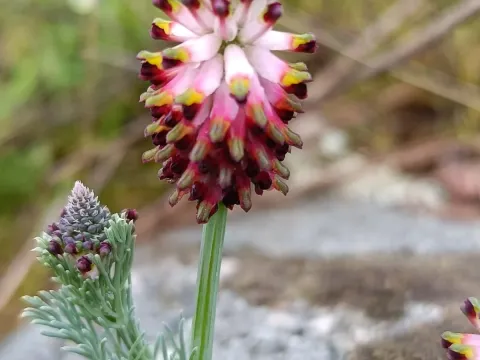
Platycapnos
Platycapnos
Platycapnos is a genus of herbaceous plants belonging to the poppy family, Papaveraceae. It is closely related to the well-known genus Fumaria and shares several morphological traits with it.
What the section contains

Platycapnos
The plant originates from the Mediterranean region, where it thrives in warm and temperate climates. It is adapted to survive in areas with distinct seasonal patterns, often appearing in disturbed soils or agricultural fields.
Environmental requirements for Platycapnos include well-drained, nutrient-rich soils that allow for rapid growth during the spring season. It does not tolerate prolonged waterlogging or extreme frosts which can damage its root system.
Cultivation of Platycapnos for agricultural use is virtually non-existent, as the plant is typically categorized as a weed within field crops. It competes with primary crops for soil nutrients and solar radiation.
Botanical identification is based on its specific floral structure and leaf morphology, which are distinct within the Fumarioideae subfamily. The plant uses its life cycle to exploit windows of opportunity before taller crops mature.
Platycapnos is vulnerable to common fungal pathogens such as powdery mildew, which can significantly impact its biomass when weather conditions are humid.
Pests that affect Platycapnos often include aphids and various beetle species that feed on the foliage, potentially weakening the plant and limiting its seed production.
In modern agricultural settings, the main threat to the survival of Platycapnos populations is the systematic use of herbicides, which effectively suppress its spread in arable fields.
Integrated weed management practices include mechanical hoeing and crop rotation, which are designed to limit the accumulation of its seeds in the soil seed bank.
Monitoring the prevalence of such plants is essential for maintaining crop yields, as their unchecked growth can lead to increased competition for essential natural resources.