
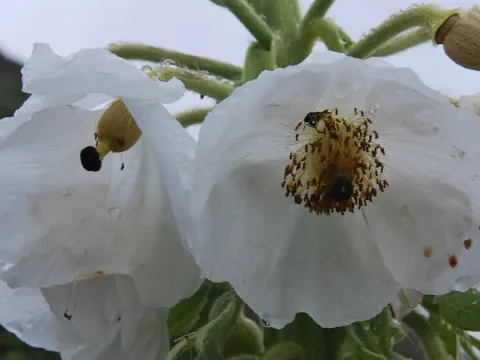
Meconopsis superba
Meconopsis superba
Sowing Meconopsis superba seeds requires patience and precise conditions, as they are notoriously difficult to germinate. Fresh seeds are highly recommended, as they lose viability relatively quickly if not stored properly in cold conditions.
What the section contains
Meconopsis superba
The seeds should be sown in early spring in a sterile, well-draining seed mix. A light covering of grit or sand is beneficial to anchor the seeds while allowing necessary light exposure, as they often require light for germination.
Cold stratification is a critical step for many Himalayan species. Keeping the seed trays in a cold frame or refrigerator for several weeks mimics the natural winter conditions, effectively breaking seed dormancy.
Once seedlings emerge, they must be kept in cool, moist conditions with good airflow. Avoid intense direct heat, which can easily kill the delicate young plants during their vulnerable initial growth phase.
Transplanting should be done with extreme care. The root system of Meconopsis species is highly sensitive to disturbance; therefore, using biodegradable pots that can be planted directly into the soil is an excellent technique.
Meconopsis superba belongs to the Papaveraceae family and is native to the high-altitude environments of the Himalayas. To successfully grow this plant, one must recreate its natural cool, moist, and well-drained habitat.
The soil should be rich in organic matter, such as leaf mold or compost, with a slightly acidic to neutral pH. Excellent drainage is non-negotiable; standing water will almost certainly lead to the death of the plant.
The ideal location in the garden is a north-facing aspect or a spot that receives morning sun and afternoon shade. This prevents the crown and roots from overheating, which is the primary cause of failure in lower-altitude climates.
Consistent moisture is required throughout the growing season. The soil should never be allowed to dry out completely, but it must not be waterlogged either, as this creates an anaerobic environment hostile to the plant.
Mulching with pine needles or similar organic material helps keep the roots cool and maintains consistent soil moisture levels. In winter, ensuring the crown remains dry is crucial to prevent the plant from rotting during dormancy.
Root rot and crown rot are the most significant threats to Meconopsis superba. These are typically caused by pathogenic fungi such as Phytophthora, often triggered by poor drainage or overly humid, stagnant air around the base of the plant.
Pests like aphids and spider mites can attack the plants during periods of stress or in protected environments like greenhouses. Regular monitoring and physical removal or organic soaps are preferred over heavy chemical treatments.
Slugs and snails represent a constant danger to the succulent leaves, particularly during the spring when new growth appears. Barrier methods or iron phosphate-based pellets are effective tools for managing these common pests.
Nutrient deficiencies may occur if the soil is not properly balanced, resulting in chlorosis or stunted growth. Using specialized ericaceous fertilizers can help maintain the required soil acidity and nutrient levels for healthy foliage.
Proper sanitation in the garden is vital to prevent the spread of diseases. Removing dead leaves and debris from around the plant's base helps ensure good air circulation, which reduces the risk of fungal outbreaks significantly.