
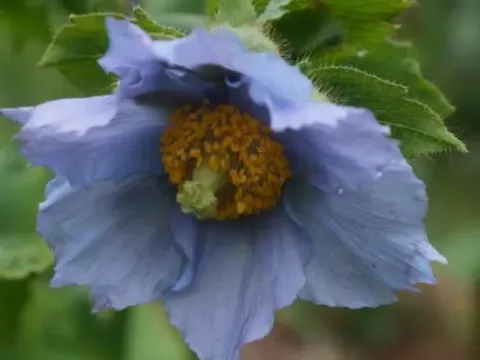
Meconopsis wilsonii
Meconopsis wilsonii
Meconopsis wilsonii is a perennial herbaceous plant belonging to the Papaveraceae family. Known for its aesthetic value, this species is a representative of the diverse Himalayan poppies, highly prized by botanical enthusiasts for its unique floral architecture.
What the section contains
Meconopsis wilsonii
The plant originates from the mountainous regions of Southwest China, where it inhabits cool, moist forest margins and alpine slopes. It thrives in an environment characterized by high atmospheric humidity and temperate growing conditions throughout the season.
Successful cultivation requires soil that is rich in organic matter, slightly acidic, and exceptionally well-drained. Avoiding waterlogging is critical; therefore, incorporating coarse sand or grit into the planting medium is standard practice to prevent root rot.
Meconopsis wilsonii performs best in partial shade or positions receiving filtered sunlight. Full sun exposure can be detrimental, causing leaf scorch and soil desiccation, which the plant struggles to recover from during the active growth phase.
Temperature management is the most challenging aspect of its requirements. The plant is adapted to cool, humid climates and generally dislikes extreme heat. Providing a site with good air circulation and moderate temperatures is essential for its longevity.
Propagation is primarily achieved through seeds, which often require a period of stratification to break dormancy. Sowing should ideally occur in late autumn or early spring, placing containers in a cool, unheated greenhouse or outdoor cold frame.
The sowing medium should be light and airy, consisting of a mix of seed compost, perlite, and grit. Seeds should be scattered thinly over the surface and pressed gently into the medium without being heavily buried, as light is often beneficial for germination.
Maintaining consistent moisture is vital during the germination phase. Covering containers with glass or plastic can help regulate humidity, provided that the surface is ventilated to prevent the development of mold or damping-off fungi.
Transplanting seedlings requires significant care due to the sensitive nature of the root system. It is advised to prick out the seedlings at the two-leaf stage and pot them individually into deep containers to allow for root expansion.
Plants should only be moved to their final outdoor position once they are well-established. Gentle acclimatization to external conditions is recommended to reduce transplant shock and ensure the young plants can handle local weather patterns.
Root rot is the most significant threat to Meconopsis wilsonii, typically triggered by poor drainage or excessive soil moisture. Once established, this disease is difficult to treat, making preventative measures like proper site selection paramount.
Fungal infections such as powdery mildew can occasionally manifest on the foliage, particularly if air circulation is restricted. Pruning back dense vegetation around the plants and ensuring proper spacing can mitigate these risks effectively.
Insect pests such as aphids can colonize the developing flower buds and succulent leaves. Early detection and the use of targeted insecticidal soaps or biological controls can prevent damage and maintain the aesthetic quality of the blooms.
Gastropods, including slugs and snails, find the tender young growth of the plant highly attractive. Implementing barrier methods or using organic pest deterrents during the spring emergence phase is necessary to protect the plant from severe defoliation.
General plant vigor is the best defense against threats. Providing balanced fertilization, adequate mulch for moisture retention, and ensuring the plant remains stress-free will significantly enhance its ability to withstand both pests and common pathogens.