
Miyabe poppy
Papaver miyabeanum
Description
Sowing dates
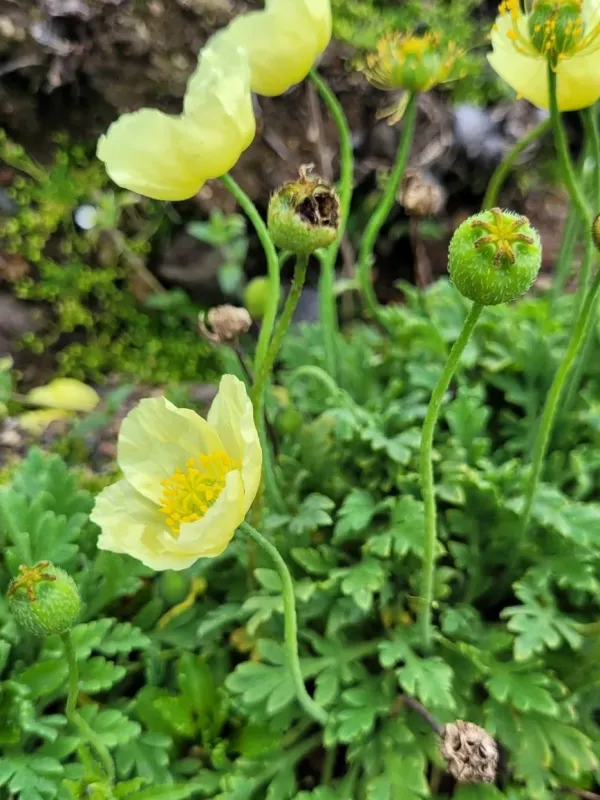
The Miyabe poppy (Papaver miyabeanum) is a member of the Papaveraceae family, primarily recognized for its ornamental value in alpine gardening and rockeries.
Seeds should be sown in early spring as soon as the soil is workable, or in late autumn to allow for natural stratification throughout the winter months.
Because the seeds are extremely small, they should be surface-sown and pressed lightly into the soil without being deeply buried to ensure exposure to light.
When starting indoors, provide a cool and bright environment, as excessive heat can lead to spindly seedlings that are difficult to transplant successfully.
Proper spacing is essential during the initial growth phase, as crowding encourages the spread of humidity-related pathogens in the seedling stage.
Growing requirements
This species is native to the northern islands of Japan and Sakhalin, meaning it thrives in cooler, temperate climates with high atmospheric moisture.
Optimal site selection includes locations with full sun to partial shade, preferably where the plant is protected from intense, scorching mid-day heat.
Soil requirements are quite specific; the plant demands loose, sandy, or stony substrates that provide excellent drainage to protect the sensitive root crown.
Watering should be consistent but careful, maintaining moist soil without ever allowing the roots to sit in stagnant water, which causes rapid decay.
Incorporating organic compost into the planting area can improve soil structure and nutrient levels, supporting the plant's long-term health and vigor.
Main diseases and pests
Root and crown rots are the most common issues for this plant, typically triggered by high humidity levels and poorly drained soil conditions during summer.
Pests such as aphids and spider mites can attack the foliage and stems, particularly in dry environments where the plant is already undergoing stress.
Effective management involves maintaining good air circulation around the plants and ensuring that the foliage remains relatively dry during evening hours.
Using appropriate fungicidal treatments is necessary when symptoms of mildew or fungal spots appear on the leaves to prevent significant damage.
Monitoring the plants throughout the season is crucial, as early detection of pests or disease allows for localized treatment rather than full-crop intervention.