
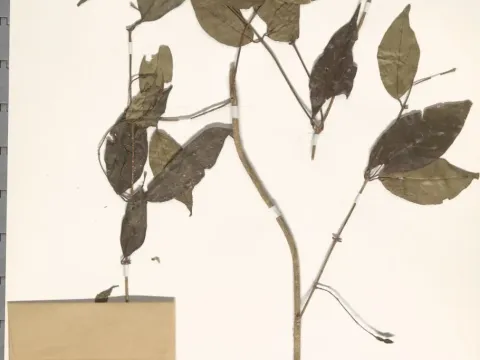
Nepal jasmine
Jasminum nepalense
Nepal jasmine (Jasminum nepalense) is a perennial climbing shrub belonging to the Oleaceae family. Known for its vigorous growth, it is a significant species for temperate to subtropical garden design.
What the section contains
Nepal jasmine
Originating from the Himalayan regions, it thrives in moderate climates with distinct seasonal patterns. Its native range implies an adaptation to mountainous terrain where soil drainage is typically excellent.
The ideal soil for this species is a nutrient-rich loam with high organic content and an acidic to neutral pH level. Proper site selection must prioritize protection from extreme frost and strong, desiccating winds.
Cultivation requires structured training of the stems along supports or trellises to manage its sprawling habit. Sufficient sunlight is crucial, although partial shade during the hottest hours of the day can improve foliage health.
Management practices include balanced fertilization during the active growing season. Regular pruning after flowering helps maintain the desired shape and encourages the development of new, healthy, and vigorous flowering wood.
Common pests include aphids, scale insects, and spider mites, which can cause significant damage to foliage and stems. Integrated pest management strategies are recommended to maintain plant vitality.
Pathogenic fungi are a concern in humid conditions, leading to root rot or powdery mildew. Ensuring proper air circulation and monitoring irrigation cycles are the most effective preventative measures for long-term health.