
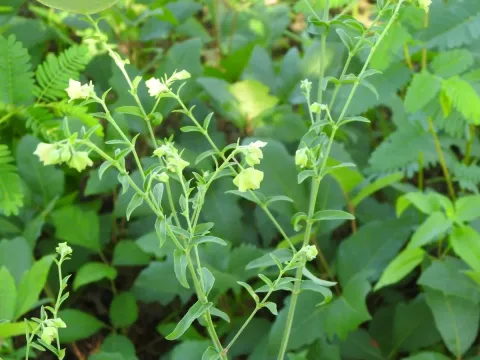
Mirabilis albida
Mirabilis albida
The sowing of Mirabilis albida should be carried out in spring once the danger of frost has passed. The soil must be sufficiently warm, as the seeds require consistent temperatures for rapid germination. Outdoor planting is ideal for regions with long growing seasons.
What the section contains
Mirabilis albida
For colder climates, starting seeds indoors is highly recommended. Sow the seeds in biodegradable pots about 4 to 6 weeks before the expected last frost date. This practice ensures that the root system remains undisturbed during the transition to the garden.
Seeds should be covered with about 1 to 2 centimeters of soil. Proper moisture levels must be maintained during the initial stages, as the seed coat needs sufficient water to soften and allow the sprout to emerge effectively.
Once seedlings have developed their first true leaves, they should be gradually exposed to outdoor conditions through a hardening-off process. This builds resilience against environmental stress, wind, and direct sunlight.
Spacing is a critical factor for success. Since Mirabilis albida develops a bushy, spreading habit, providing 40–50 centimeters of space between plants ensures adequate airflow and prevents competition for nutrients.
Belonging to the Nyctaginaceae family, Mirabilis albida is a robust plant that thrives under bright, direct sunlight. It is best suited for open garden spaces where it can receive at least six to eight hours of intense light per day.
The plant prefers well-draining, moderately fertile soil with a neutral to slightly alkaline pH. While it is adaptable to various soil types, waterlogged conditions are detrimental and must be avoided to prevent root diseases.
Mirabilis albida is characterized by its high drought tolerance once established. Its deep taproot allows the plant to survive extended dry periods, making it an excellent choice for low-maintenance landscaping and xeriscaping projects.
Nutrient management is straightforward; a balanced fertilizer applied early in the growth season is sufficient. Over-fertilization should be avoided, as it may lead to excessive foliage growth at the expense of floral development.
In cooler temperate regions, the plant is typically treated as an annual. However, where winters are mild, the large taproots can survive and resprout in the following season, provided the soil drainage remains excellent throughout the wet winter months.
Root rot is the primary threat to Mirabilis albida, typically caused by improper soil drainage or excessive irrigation. Ensuring that the planting site has a proper drainage system is the best preventative measure against this pathogen.
Powdery mildew may occur during periods of high humidity and stagnant air. Keeping the foliage dry during irrigation and ensuring sufficient spacing between plants are effective strategies for maintaining healthy, clean leaves.
Aphids can sometimes infest the succulent growing tips of the plant. If an infestation occurs, it is recommended to use organic insecticidal soaps to control the pest population without damaging the beneficial insect community in the garden.
Spider mites are occasionally observed during hot, dry summer months. Regular inspection of the undersides of the leaves allows for early detection, enabling gardeners to manage the problem through physical removal or moisture adjustment.
Maintaining a debris-free garden bed is essential for preventing the buildup of fungal spores. Removing wilted parts and preventing weed encroachment helps to keep the plants vigorous and less susceptible to environmental stressors.