
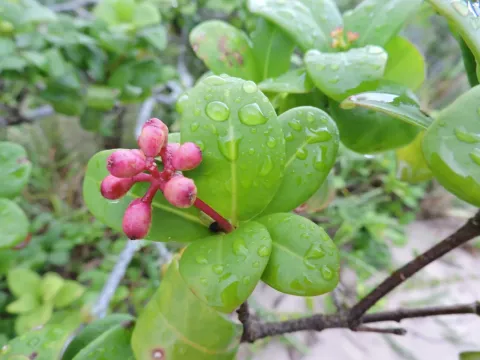
Guapira
Guapira
The genus Guapira belongs to the Nyctaginaceae family and encompasses a diverse range of tropical trees and shrubs, primarily native to the Americas and parts of the Caribbean.
What the section contains


Guapira
These plants thrive in well-draining soils that are rich in organic matter, displaying a notable resilience to varied soil types, including sandy and limestone-based substrates.
Climate requirements for Guapira are strictly tropical, necessitating warm temperatures throughout the year, as the species lack significant frost tolerance.
Optimal growth conditions involve full sun exposure to partial shade, mimicking the plant's natural ability to adapt to forest edges and open savanna-like environments.
Agronomic management focuses on consistent moisture levels, preventing waterlogging while ensuring the plant receives adequate hydration during the peak growth season.
In practical applications, Guapira is primarily valued for its ornamental potential, frequently integrated into landscaping and ecological restoration projects due to its dense foliage.
Some species within the genus are recognized for their wood properties, which have historically been utilized in local craft and small-scale construction tasks.
Propagation is generally managed through seeds or cuttings, with successful establishment requiring controlled nursery conditions and careful monitoring of early root development.
Guapira species contribute significantly to local ecosystems by providing shelter and sustenance for various pollinators and avian species, acting as a keystone for biodiversity.
Sustainable maintenance programs for this culture involve pruning to encourage structural strength and conducting periodic health assessments to prevent pest infestations.