
False Boerhavia
Boerhavia fallacissima
Description
Growing requirements
False Boerhavia (Boerhavia fallacissima) is a member of the Nyctaginaceae family. This perennial herb is recognized for its extraordinary physiological adaptations, which allow it to thrive in the harsh, arid environments where few other crops can survive.
Native to the dry regions of Southern Africa, particularly Namibia, this species has evolved to withstand extreme aridity. Its geographical range is characterized by limited rainfall and high solar radiation, to which the plant is perfectly adapted.
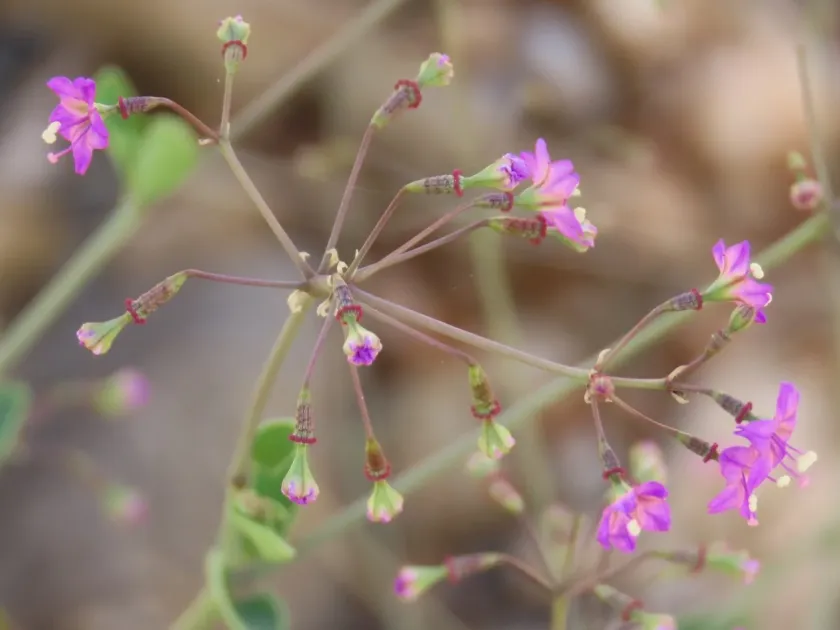
Botanically, Boerhavia fallacissima is distinguished by a complex, deep-rooting system and a prostrate growth habit. These features minimize water loss and allow the plant to secure nutrients and moisture from deeper soil layers during prolonged droughts.
Regarding soil requirements, the plant prefers sandy and well-drained soils. Heavy or clay-rich soils should be avoided as they inhibit root development and increase the risk of decay during the infrequent but heavy rainfall events characteristic of its native habitat.
The climate requirements include a warm, sunny environment with low relative humidity. While the plant can tolerate significant diurnal temperature variations, its survival is heavily dependent on maintaining vigorous root function under extreme desert heat.
Yield
The primary agricultural use of False Boerhavia is as a forage crop. It serves as a vital survival food for livestock in pastoral systems during the dry seasons when other forage sources are depleted, proving its immense value to rural economies.
Yields are highly dependent on sporadic rainfall; however, in suitable growing seasons, the plant produces a significant amount of biomass. This reliable forage production helps maintain livestock weight and health when grazing resources are otherwise scarce.
In addition to its role as fodder, the plant acts as a soil stabilizer. Its creeping habit helps prevent wind and water erosion, making it an excellent candidate for land reclamation projects in degraded desert regions.
Research into the plant's nutritional profile shows that it provides essential minerals and fibers required by grazing animals. This nutritional density makes it a preferred choice for farmers working in extreme, semi-desert conditions.
Looking ahead, the cultivation of this species offers low-input agriculture benefits. Since it requires no irrigation and effectively survives without fertilization, it provides a sustainable and cost-effective solution for arid land food security.