
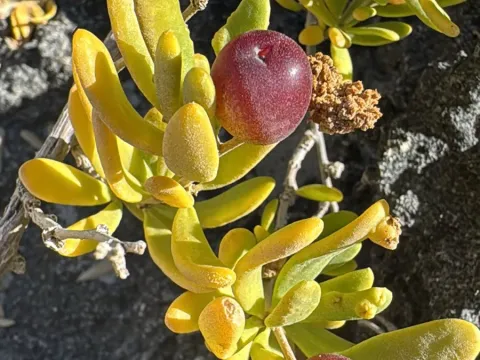
Nitraria
Nitraria L.
Nitraria is typically propagated through seeds, which require stratification to break dormancy and ensure consistent germination rates in nursery conditions.
What the section contains
Nitraria
Direct sowing in fields is often carried out in late autumn, allowing the natural temperature fluctuations of winter to prepare the seeds for spring growth.
For vegetative propagation, softwood cuttings are harvested during the active growing season and placed in a controlled, high-humidity environment.
Proper spacing is crucial when establishing new plantations to accommodate the sprawling growth habit of the shrubs as they mature over several years.
Ensuring that the soil is sufficiently prepared and free from competing weeds is vital for the survival and establishment of young plants.
Nitraria, belonging to the Nitrariaceae family, is a highly specialized halophyte capable of thriving in soils with extremely high salt concentrations.
These plants are exceptionally resilient to arid conditions, showcasing high tolerance for drought, high solar radiation, and extreme heatwaves.
Nitraria prefers open, sunny environments and is highly sensitive to shade, which can significantly inhibit its photosynthetic output and reproductive growth.
It is exceptionally well-suited for soil reclamation projects in salty deserts, where it helps prevent erosion and improves the physical structure of degraded land.
While mature plants are drought-resistant, supplementary irrigation during the first year of establishment is necessary to develop a deep and effective root system.
The economic utility of Nitraria primarily focuses on its edible fruits, which are rich in vitamins and sugars, providing valuable nutrition in harsh desert climates.
Harvesting yields can vary significantly based on environmental conditions, but in optimal settings, the species can produce a substantial volume of berries.
The fruit is used in food processing for jams, jellies, and dietary supplements, reflecting the plant's potential as a specialized commercial crop.
Beyond food products, the plant serves as a vital forage source for livestock, particularly camels and sheep, in remote desert grazing areas.
Ongoing research aims to improve fruit size and reduce spine density to make harvesting more efficient for large-scale agricultural operations.
Nitraria is naturally robust; however, it can be susceptible to fungal infections like powdery mildew if environmental conditions remain excessively humid.
Desert insects, including locusts, represent a primary pest threat and can cause significant foliage loss if not monitored throughout the growing season.
Root rot remains a concern, primarily occurring in poorly drained soils or areas subjected to persistent waterlogging, which should be avoided.
Integrated pest management, focusing on biological controls, is highly recommended to protect the crop without disrupting the local ecosystem.
- Regular pruning of dead or diseased branches minimizes the risk of pathogens.
- Monitoring irrigation practices ensures the soil moisture remains at optimal levels.
Harvesting is conducted when the fruits reach full physiological maturity, indicated by the development of their characteristic color and texture.
Due to the delicate nature of the ripe fruit, manual picking remains the most effective method to maintain quality and avoid damage to the plant.
Mechanized harvesting tools are currently being tested to assist in large-scale operations, necessitating specific shrub shaping for easier access.
Post-harvest handling is critical; fruits should be processed or cooled immediately to prevent spoilage due to their high moisture and sugar content.
Correct storage in temperature-controlled environments allows for the extended preservation of nutritional components for further industrial use.