
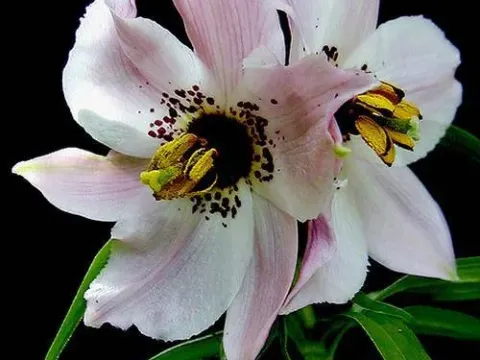
Nomocharis
Nomocharis
Nomocharis is a genus of bulbous perennial plants belonging to the Liliaceae family. It is highly valued for its exquisite, bowl-shaped flowers that often feature intricate spots or flushes of color, creating an aesthetic similar to lilies and orchids.
What the section contains
Nomocharis
The native habitat of these plants includes the high-altitude regions of the Himalayas, Southwest China, and Myanmar. They thrive in subalpine meadows and woodland clearings, which defines their preference for cool and humid environmental conditions.
Cultivation requires a specific soil profile that is rich in organic matter, slightly acidic, and possesses exceptional drainage capabilities. The bulb is highly sensitive to moisture stress and requires a growing medium that never becomes waterlogged.
The ideal location for Nomocharis is a cool, semi-shaded area that provides shelter from intense mid-day sun and strong, drying winds. These plants are best suited for gardeners in cooler regions, as they struggle with high summer heat.
Cultural practices involve maintaining a cool root zone through the application of mulch and ensuring consistent moisture levels throughout the growing season. Successful gardeners treat these plants with care, as they are considered demanding and rewarding specimens.
The most significant threat to Nomocharis is fungal infection, particularly bulb rot, which is almost always linked to poor drainage or overly wet soil conditions. Preventing stagnant water is the primary method of disease control.
Slugs and snails are major pests that find the succulent growth of Nomocharis highly attractive. Protective barriers, bait, or manual removal are necessary during the spring emergence phase to prevent severe foliage damage.
Aphids can cause direct damage by feeding on plant juices, but their greater threat lies in the transmission of viral diseases. Maintaining a rigorous monitoring program helps identify and manage these pests before they reach critical populations.
Root-knot nematodes and onion mites can also attack the bulbs, especially if the planting site was previously infested. Pre-planting sanitation and the use of healthy, clean nursery stock are essential preventive measures.
Physiological disorders resulting from temperature fluctuations or drought stress can weaken the plant, making it more susceptible to opportunistic pathogens. Consistent environmental management is the key to maintaining plant health over many years.