
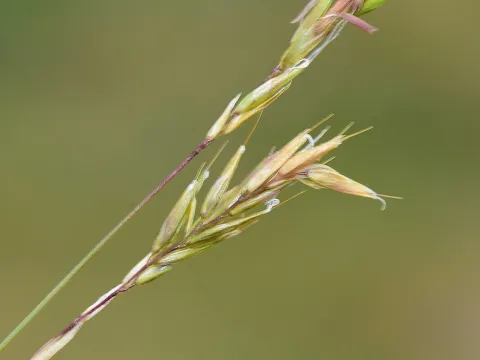
Nippon vernal grass
Anthoxanthum nipponicum
Nippon vernal grass (Anthoxanthum nipponicum) is a perennial grass species belonging to the Poaceae family. Known for its distinct fragrance due to the presence of coumarin, it is a hardy plant adapted to specific mountain and cool-climate environments.
What the section contains
Nippon vernal grass
The native range of the species encompasses East Asia, particularly Japan and the surrounding archipelagos. It is typically found in alpine meadows, open slopes, and areas where hardy, competitive grasses are essential for ground cover.
Regarding soil requirements, the species thrives in well-drained loamy to sandy soils. It shows high tolerance to acidic soil conditions, making it an excellent candidate for reclamation projects in marginal or degraded mountain lands where other grasses fail.
Climatic preferences include cool, moist conditions with a short growing season. The plant demonstrates high winter hardiness, surviving heavy snow covers and freezing temperatures common in its native habitat during the winter dormancy period.
The main agricultural use of this grass is as a component of perennial pastures and hay mixtures. Its early emergence in the spring provides high-quality grazing material, and the aromatic properties of the hay are known to improve overall livestock intake.
Like many grasses in the Poaceae family, this species is susceptible to various rust fungi and powdery mildew. These diseases often emerge in stagnant, overly humid conditions, which can be mitigated by proper pasture management and thinning.
Pests such as grass aphids and stem borers can occasionally impact the plant's health. Early detection and identification of insect colonies are crucial for maintaining the vigor of the grass stand throughout the active vegetation phase.
Cultural practices, including regular mowing or rotational grazing, are the most effective ways to prevent disease outbreaks. Removing plant biomass before it becomes overly mature prevents the accumulation of fungal spores.
Soil fertility management, particularly phosphorus and potassium levels, plays a vital role in enhancing the plant's natural resistance to pathogens and environmental stress, leading to more resilient forage crops.
Ultimately, a well-maintained stand of Nippon vernal grass requires minimal chemical intervention if basic agronomic principles are followed, ensuring the long-term sustainability of the grassland ecosystem.