
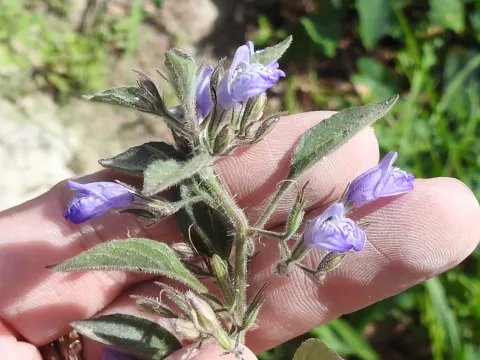
Nomaphila siamensis
Nomaphila siamensis
Nomaphila siamensis, often recognized in modern botany as a member of the Hygrophila genus, belongs to the Acanthaceae family. It is a moisture-loving plant native to the tropical regions of Southeast Asia, thriving in marshes and shallow waterways.
What the section contains
Nomaphila siamensis
To cultivate this species successfully, the water temperature should be maintained between 22 and 28°C. High-intensity lighting is crucial for this plant, as it helps maintain its compact form and prevents the stem from becoming overly elongated and thin.
The plant requires a nutrient-dense substrate. Since it develops a strong root system, a soil rich in trace elements and organic matter is essential for vigorous growth and long-term vitality of the specimen.
Agronomic management of this culture involves consistent CO2 injection and the addition of complex liquid fertilizers. Proper nutrient balance is key to achieving the characteristic deep green color of the lanceolate leaves.
The botanical structure of Nomaphila siamensis is characterized by upright stems with opposite leaves. In optimal conditions, it can grow above the water surface, where its foliage may adapt to terrestrial life, changing its shape and texture slightly.
The primary threat to the health of Nomaphila siamensis is the fluctuation of water parameters. Drastic changes in pH or hardness levels frequently cause the leaves to melt, leading to rapid deterioration of the plant structure.
Nutrient deficiency, specifically iron and potassium, is a common physiological issue. It results in chlorosis, where leaves turn pale or yellow, significantly reducing the aesthetic and photosynthetic capacity of the plant.
Snails are the most frequent pests associated with this plant, as they tend to graze on the soft tissues of the leaves. Controlling their population is essential to maintain the integrity of the foliage.
Algal blooms on the leaf surface often indicate an imbalance in light and nitrogen levels. These algae inhibit photosynthesis and can eventually kill the host plant if left unaddressed by cleaning or nutrient adjustment.
Regular pruning is a vital agronomic practice. By trimming the tops, the grower promotes lateral branching, which increases the biomass density and ensures that the lower parts of the plant receive adequate water circulation to prevent fungal rot.