
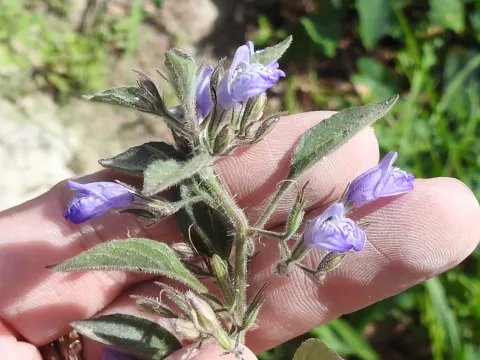
Nomaphila stricta
Nomaphila stricta
Nomaphila stricta, commonly known as the Giant Hygro or Lemon Bush, belongs to the Acanthaceae family. This robust aquatic and semi-aquatic plant originates from the tropical regions of Southeast Asia, thriving in marshes and shallow stream banks.
What the section contains
Nomaphila stricta
Botanically, it is characterized by an upright stem and large, lance-shaped, bright green leaves. It is a fast-growing species that can reach significant heights, making it an excellent background plant for large tropical aquariums.
The plant requires high light intensity to maintain its compact form and vibrant leaf color. Without sufficient light, the plant tends to stretch, losing its lower leaves and becoming leggy, which significantly reduces its decorative value.
Regarding soil requirements, Nomaphila stricta prefers a nutrient-rich substrate. Its extensive root system benefits from deep layering of fine gravel or specialized aquatic soil, which facilitates the uptake of essential micro-elements.
Temperature management is critical for optimal growth, with the ideal range being between 22 and 28 degrees Celsius. Regular water circulation and controlled CO2 supplementation further promote vigorous growth and healthy leaf structure.
A primary issue in cultivation is nutrient deficiency, particularly iron, which manifests as chlorosis. Providing regular liquid fertilizers and root tabs is essential to prevent the yellowing and necrosis of older leaves.
Algal growth on leaves is a common threat, often caused by an imbalance in the light-to-nutrient ratio. Maintaining a consistent photoperiod and healthy water chemistry is the best way to prevent algae colonization.
Herbivorous snails and some fish species may feed on the tender leaves of the plant. Selection of appropriate tank mates is necessary to avoid physical damage to the foliage and ensure the plant remains intact.
Stem decay can occur if the plant is buried too deeply or if the substrate becomes anaerobic. Proper spacing between stems is recommended to ensure adequate water flow and prevent rotting at the base of the plant.
Environmental stress from fluctuating water parameters can lead to "melting," where the plant loses its structure rapidly. Stability in pH and hardness levels is crucial for long-term health and successful acclimatization.