
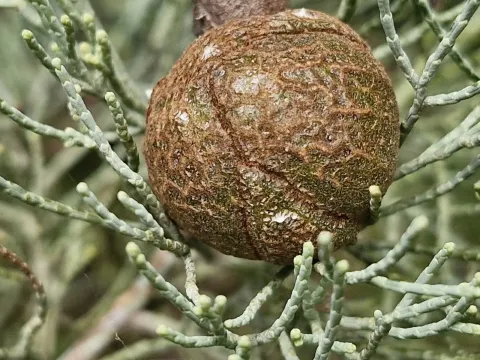
Northern Cypress Pine
Callitris intratropica
Propagation of the Northern Cypress Pine in commercial forestry is primarily achieved through seed sowing in specialized nurseries where moisture and temperature are strictly controlled.
What the section contains
Northern Cypress Pine
The optimal time for seeding is immediately before the onset of the wet season, which allows young seedlings to establish their root systems effectively before the dry period begins.
Seed treatment, including stratification, is essential to maximize germination rates. Seeds are sown into well-aerated substrates containing a mix of peat and sand to prevent root rot.
Seedlings are typically nurtured in nurseries for 6 to 12 months until they reach a robust size suitable for transplanting into plantation sites or reforestation areas.
Spacing during planting is critical; maintaining adequate distance between individual trees ensures optimal access to sunlight and soil nutrients during the crucial early growth phase.
Callitris intratropica belongs to the Cupressaceae family and is an endemic coniferous species native to the tropical northern regions of Australia.
This species thrives in well-drained sandy or loamy soils with low acidity, as excessive water retention can severely inhibit root health and overall vigor.
The tree exhibits remarkable evolutionary adaptation to tropical savanna climates, showing significant resistance to prolonged drought periods and occasional forest fires.
To ensure healthy development, this species requires full sun exposure and should not be planted in shaded areas where competition for light could lead to stunted growth.
The climatic profile must be tropical, characterized by year-round warmth, as the species does not tolerate harsh frosts or prolonged periods of extreme cold.
The primary economic output of Callitris intratropica is its highly valued timber, known for its exceptional natural durability against termite infestation and fungal decay.
The rotation period for harvesting high-quality timber is substantial, typically ranging from 30 to 50 years, which necessitates long-term strategic planning for plantation investment.
In addition to timber, the needles and wood residues can be processed to extract essential oils, which have valuable applications in the fragrance and pharmaceutical sectors.
Intensive plantation management can significantly increase the yield of high-grade timber compared to natural forest stands by optimizing growth conditions and tree density.
The long-term economic viability is highly dependent on consistent silvicultural practices, including proper thinning and maintenance during the initial years of development.
While naturally resilient, Callitris intratropica can face challenges from fungal pathogens, particularly in nursery environments with poor drainage and excessive humidity.
Root rot remains the most significant threat to young plantations, often resulting from improper irrigation management or poor soil aeration techniques.
Insect pests, such as wood-boring beetles, may target stressed or damaged trees; therefore, maintaining forest hygiene through periodic sanitary culling is recommended.
High-intensity wildfires, despite the species' adaptation, can cause significant mortality, making proactive fire management a crucial aspect of plantation security.
- Regular inspection of the canopy and trunk for signs of pest activity.
- Careful monitoring of soil moisture to prevent the development of root pathogens.
- Strategic thinning to promote airflow and reduce humidity levels within the plantation.
Harvesting is usually conducted through selective logging, a method that promotes the long-term sustainability of the forest ecosystem while allowing younger trees to mature.
Post-harvest processing is vital; the timber requires controlled drying to maintain its structural integrity and prevent warping or cracking during the seasoning process.
Essential oil production can be integrated into the harvesting process by utilizing waste materials, thereby enhancing the overall economic efficiency of the operation.
Logging operations should be executed with precision to avoid collateral damage to the surrounding forest, ensuring the area remains productive for future harvesting cycles.
Logistics and storage must be managed to avoid exposure to excessive moisture, ensuring that the timber retains its quality until it reaches the manufacturing facility.