
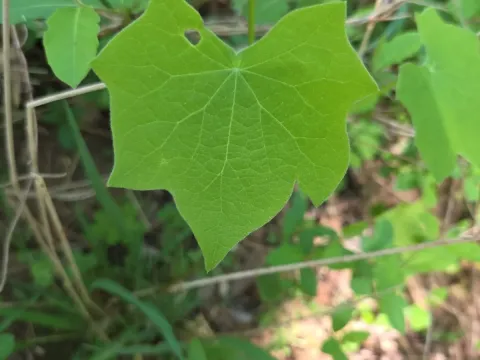
Menispermum
Menispermum
Seeds of Menispermum are typically sown in the autumn, allowing them to undergo natural stratification, which is essential for uniform germination in spring.
What the section contains


Menispermum
If spring sowing is planned, seeds must be kept in cold storage at temperatures ranging from 0 to 5 degrees Celsius for several months before planting.
Sowing depth should be kept shallow, specifically 1–2 centimeters, to allow the emerging sprout to reach the surface without exhausting its energy.
Using a seed tray indoors with controlled moisture levels is recommended for regions with harsh late spring frosts to ensure initial seedling survival.
The germination period can be extended, so patience and consistent soil moisture are required to ensure the successful development of the young vines.
Menispermum, belonging to the Menispermaceae family, is a woody vine characterized by its rapid vegetative growth and distinct heart-shaped foliage.
The culture thrives in fertile, well-draining loam soils that provide sufficient moisture while preventing water accumulation around the sensitive roots.
Vertical support is a fundamental requirement for this climber, as its stems rely on twining around structures to gain height and optimize sun exposure.
While the plant tolerates partial shade, it reaches its peak vigor when placed in environments with consistent access to indirect or filtered sunlight.
Maintenance involves periodic pruning to direct the plant's growth and prevent excessive tangle, which is crucial for the health of the internal foliage.
This genus is widely noted for its natural resistance to many common insect pests, largely due to the presence of alkaloids throughout its tissues.
Root rot remains the primary agricultural concern, usually occurring as a result of improper irrigation practices or poor soil drainage in the planting area.
Fungal diseases are rarely problematic unless the plant is stressed by overcrowding or inadequate airflow between the stems and leaf clusters.
Preventive measures include removing dead wood during the dormant season and ensuring that the base of the plant is kept clear of debris and weeds.
Because the berries are toxic, one must be cautious if the plant is grown in areas accessible to children or pets, making responsible site selection vital.