
Haematocarpus validus
Haematocarpus validus
Description
Growing requirements
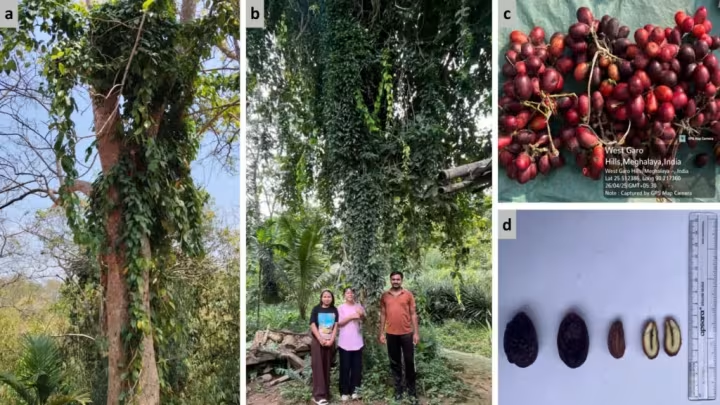
Haematocarpus validus is a significant woody climber belonging to the Menispermaceae family. Native to the tropical regions of India and Southeast Asia, it is primarily found in evergreen forests where it climbs tall trees for sunlight.
The crop thrives in tropical climates with high humidity levels and consistent rainfall. It requires well-drained soil rich in organic matter to sustain its rapid vegetative growth and development throughout the active season.
For successful cultivation, temperature management is essential. The plant prefers an environment ranging from 22°C to 30°C and is strictly intolerant of frost or cold spells that can damage the delicate vascular tissues of the stem.
Proper light management involves providing semi-shaded conditions, mirroring the natural forest canopy habitat. In agricultural setups, artificial shading or intercropping with taller species is recommended to protect the foliage from heat stress.
Agrotechnical maintenance focuses on structural support. As a vigorous climber, H. validus requires sturdy trellis systems or support trees to ensure vertical development, which facilitates better air circulation and reduces fungal risks.
Harvesting
The harvest primarily involves gathering the fruit, which contains deep red pigments and active compounds valued in traditional medicine. The maturity is indicated by the vibrant change in the fruit's outer skin color.
Manual harvesting is the preferred method to maintain the integrity of the fruits. Collectors carefully detach the clusters to avoid damaging the vine, as this species can be sensitive to aggressive pruning or mechanical stress.
Post-harvest handling requires quick processing to prevent fermentation. Given the high moisture content of the fruit, it is often processed immediately into extracts or dried under controlled conditions to stabilize its properties.
Storage of the harvested material must be in climate-controlled environments. Cool and dry conditions are mandatory to prevent degradation of the secondary metabolites that make this crop economically significant.
Yield management is cumulative over several seasons. Regular monitoring of soil nutrients and pH levels is necessary to maintain productivity, as the plant can deplete soil resources if not supplemented with organic fertilizers.