
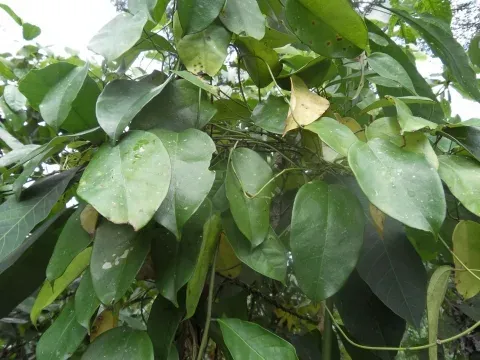
Kolobopetalum
Kolobopetalum
Kolobopetalum is a genus of climbing shrubs and woody vines belonging to the Menispermaceae family. It is native to tropical Africa, where it thrives in dense, humid forest environments.
What the section contains

Kolobopetalum
The plant exhibits typical botanical features of tropical lianas, including alternate leaves and small inflorescences. Its growth habit relies on climbing strategies, utilizing surrounding vegetation to reach the forest canopy.
This crop requires specific tropical conditions: temperatures should remain within a narrow, warm range throughout the year, and high humidity is essential for the physiological processes of the plant.
When cultivated, the soil must be light, well-drained, and rich in organic matter to mimic the natural forest floor conditions. Waterlogging must be strictly avoided to prevent root diseases.
The economic value of this plant lies primarily in the pharmaceutical industry. Its biological compounds are studied for their potential medicinal applications, contributing to the botanical research of tropical woody species.
Deforestation remains the primary threat to Kolobopetalum in its natural habitat, as the removal of host trees destroys its ecological niche.
In managed cultivation environments, root rot caused by pathogenic fungi is a major concern, often triggered by excessive watering or poor soil aeration.
Pests such as scale insects and aphids can infest the stems and leaves, extracting vital fluids and weakening the structure of the vine over time.
Environmental stress, such as low atmospheric humidity or fluctuations in temperature, can lead to premature leaf drop and reduced plant vigor.
Effective management requires mimicking the natural forest environment while maintaining strict hygiene protocols to prevent the spread of diseases within the cultivation site.