
Fibraurea tinctoria
Fibraurea tinctoria
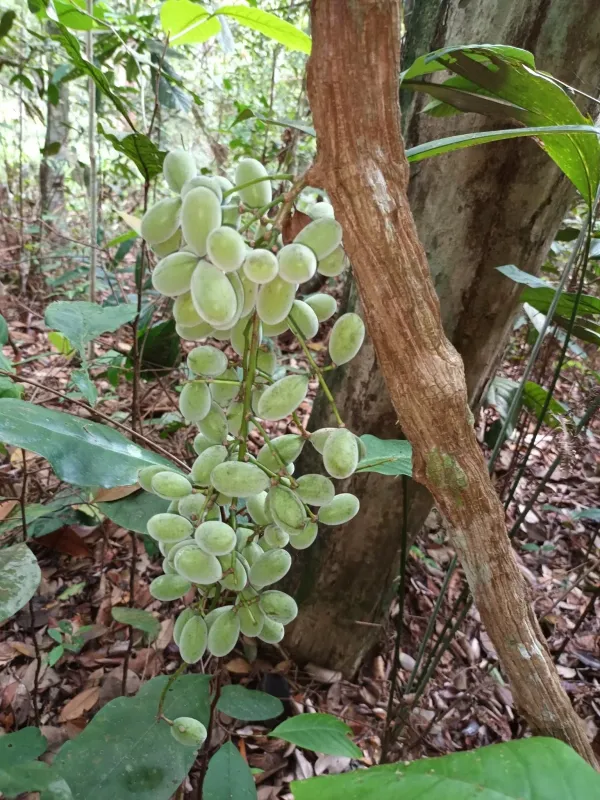
Description
Sowing dates
Fibraurea tinctoria is a woody vine belonging to the Menispermaceae family. In its native habitat, reproduction primarily occurs through seeds, which require humid conditions and specific temperatures for successful germination.
In agricultural practice, seeds are sown in specialized nurseries using a well-drained, nutrient-rich substrate. The timing of sowing is usually aligned with the onset of the rainy season to ensure constant moisture.
Vegetative propagation via cuttings is considered more efficient for commercial farming to maintain consistency in yield and active substance concentration. Cuttings are rooted in protected environments with high humidity.
Seed germination is a slow process that can take up to two months. It is crucial to maintain stable temperatures and shade the seedlings from direct sunlight during the initial growth stages.
Once the seedlings have developed a robust root system, they are transplanted to their permanent location. Proper spacing is necessary to allow the vines to climb and develop their biomass effectively.
Growing requirements
Originating from the tropical rainforests of Southeast Asia, this plant thrives in warm and humid conditions. It requires temperatures ranging from 22 to 32 degrees Celsius for optimal growth.
The soil must be light, rich in organic matter, and have a neutral or slightly acidic pH. Good drainage is essential, as the plant is highly susceptible to root rot caused by waterlogging.
The vine requires vertical support structures to grow properly. Without a trellis or natural support, the plant's metabolic energy is diverted, and it fails to accumulate sufficient concentrations of alkaloids.
High relative humidity is a key factor in ensuring healthy vegetative development. In drier conditions, supplemental irrigation and mulching are required to maintain soil moisture levels.
The plant prefers partial shade, mimicking the lower forest canopy. Direct, intense sunlight can cause leaf scorching and stress, reducing the overall productivity of the crop.
Yield
The stems and roots are the primary components of economic value, known for their high content of berberine and palmatine. Yield is measured by the accumulation of woody biomass over several years.
Commercial harvesting is typically feasible 5 to 7 years after planting. This duration is necessary for the plant to reach maturity and provide high concentrations of medicinal compounds.
Proper pruning and training techniques are essential to increase lateral branching and overall biomass production. Yield levels depend significantly on consistent agronomic maintenance.
The economic viability of Fibraurea plantations is driven by the steady global demand for natural alkaloids in the pharmaceutical and supplement industries. It is a long-term investment crop.
Yield potential can be enhanced by the application of organic fertilizers. The plant responds positively to nutrient-rich environments, which help sustain vigorous growth throughout its lifespan.
Main diseases and pests
Fibraurea tinctoria is naturally resistant to many pests due to its bitter alkaloid content. However, improper agronomic practices can create conditions favorable for pathogens.
Root rot, caused by excessive moisture, is the most significant threat. Ensuring proper drainage and soil aeration is the primary method of preventing fungal infections.
Pests like spider mites or scale insects may occur during periods of prolonged drought or stress. Using biological pest control agents is recommended to preserve the quality of the raw medicinal material.
Competition from weeds can significantly hinder the growth of young vines. Regular weeding and mulching are mandatory during the first years of the plantation's establishment.
Frequent monitoring of the plantation is essential for early disease detection. Prompt identification allows for localized management, preventing the spread of issues across the entire site.
Harvesting
Harvesting involves the selective cutting of mature stems. It is crucial to harvest in a way that allows the rootstock to remain viable for the plant's regeneration.
Collected stems are cleaned and cut into manageable sizes for drying. Proper processing immediately after harvesting is necessary to prevent spoilage and preserve the integrity of the active compounds.
Drying is performed in shaded, well-ventilated areas or in controlled drying chambers. High heat should be avoided to prevent the degradation of thermolabile medicinal components.
The harvest time is selected based on the plant's physiological cycle, as the concentration of secondary metabolites can vary slightly throughout the year.
Finished raw material is stored in dry, dark conditions to maintain its pharmaceutical properties for an extended period. Packaging must ensure adequate airflow to prevent mold growth.