
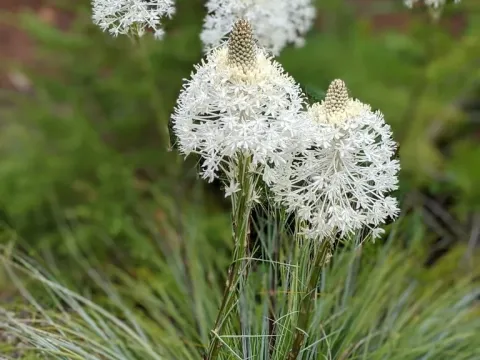
Beargrass
Xerophyllum
Xerophyllum, commonly known as Beargrass, is a genus of perennial plants in the Melanthiaceae family. It is native to the western regions of North America, where it thrives in alpine meadows, subalpine forests, and open rocky slopes at various elevations.
What the section contains
Beargrass
The plant is distinguished by a basal rosette of tough, grass-like leaves that are narrow and fibrous. During its growth cycle, it produces an impressive, tall, spire-like inflorescence densely packed with small, creamy-white flowers that are highly attractive to pollinators.
Successful cultivation requires well-drained, acidic to neutral soil conditions. Beargrass is highly intolerant of waterlogged soil, making the choice of a planting site with excellent drainage a fundamental requirement for plant longevity and health.
The climate requirements involve a preference for cool temperate conditions with sufficient sun exposure. While the plant is drought-tolerant once established, it benefits from consistent moisture during the initial development phases of its root system.
In terms of agricultural and practical use, Beargrass is valued for its hardiness and aesthetic appeal. Historically, the leaves were prized for their strength and pliability, making them an essential resource for traditional basket weaving and cordage production among indigenous populations.
The primary threats to Beargrass health include root pathogens that thrive in poorly drained environments. Fungal infections, particularly root rot, are the most frequent cause of plant decline, necessitating strict adherence to watering and drainage standards.
Pests such as slugs and snails are known to cause damage to the foliage during the early spring season. Implementing integrated pest management, such as clearing debris around the plant base and using physical deterrents, is recommended to prevent structural damage to the leaf rosettes.