
Microcos
Microcos
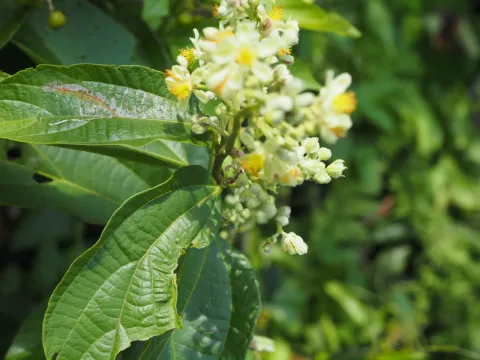
Microcos is a genus of plants belonging to the family Malvaceae. These species typically grow as shrubs or small trees, characterized by their unique ability to thrive in tropical canopy structures and forest fringes.
What the section contains


Microcos
Native to the tropical regions of South and Southeast Asia, this crop requires a humid climate to reach its full productive potential. It is strictly limited to frost-free environments where ambient temperatures remain consistently warm.
Environmental conditions must include regular, moderate to high rainfall patterns. In agricultural settings, irrigation is often necessary during the brief dry seasons to maintain metabolic functions and leaf health.
Soil requirements dictate a preference for deep, well-drained loamy soils. The plant is sensitive to waterlogged conditions, which can lead to rapid decay of the root system if the soil structure does not facilitate rapid drainage.
Economically, Microcos is known for its pharmacological potential. Leaves and stems are often harvested to produce herbal teas and traditional medicinal extracts, which are recognized for their bioactive compounds.
The primary threats to Microcos cultivation include fungal pathogens that flourish in high-humidity tropical environments. Root rot is the most common result of improper site selection or excessive irrigation.
Insect pests, such as defoliating caterpillars and sap-sucking scale insects, represent a continuous threat to the foliage. If left unchecked, these infestations can lead to a significant decline in overall plant vigor.
Leaf spot diseases, often caused by bacterial infections, can spread rapidly during periods of heavy rainfall. Providing adequate space between plants is essential for maximizing airflow and reducing humidity around the leaves.
Soil-borne nematodes pose a risk to the root development of young plants. Growers are advised to incorporate organic amendments to enhance soil health and improve the resilience of the root systems.
Integrated pest management strategies focusing on biological control are highly recommended. These measures help sustain the quality of the harvested botanical material by avoiding synthetic chemical residues.