
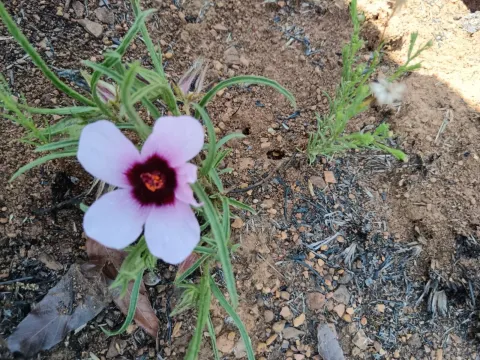
Hibiscus microcarpus
Hibiscus microcarpus
Hibiscus microcarpus is a perennial shrub species belonging to the Malvaceae family. It is native to the arid and semi-arid regions of tropical Africa, where it has evolved to thrive in environments with distinct seasonal rainfall patterns.
What the section contains
Hibiscus microcarpus
The plant is characterized by its woody structure and small fruits, from which its specific name is derived. It displays notable resilience to heat and occasional moisture stress, making it a potential candidate for specialized agricultural systems.
The sowing schedule is strictly dictated by the onset of the rainy season. Seeds require stable temperatures between 22 and 26 degrees Celsius to ensure consistent and high-percentage germination across the planting field.
Scarification of seeds is highly recommended before sowing to bypass natural dormancy mechanisms. This practice leads to more uniform plant development, which is essential for efficient management of the crop population.
Nursery propagation or direct seeding into well-prepared beds is common. Initial moisture management during the first few weeks of growth is critical to ensure the root system establishes well enough to survive later environmental fluctuations.
Hibiscus microcarpus requires well-drained, sandy or loamy soils to prevent root rot. Heavy clay soils are generally unsuitable due to poor aeration and waterlogging risks which the plant cannot tolerate.
The crop demands high solar radiation for optimal growth. Full exposure to sunlight is a prerequisite for robust vegetative development and the subsequent production of high-quality plant parts for industrial use.
Climatic conditions should favor high warmth throughout the growing cycle. As a tropical species, it is highly sensitive to frost; therefore, commercial cultivation is restricted to frost-free regions or controlled-environment settings.
Cultural practices involve frequent weeding and soil cultivation to keep the surface loose. This aeration improves oxygen uptake by the roots, which significantly boosts the plant's overall vitality and growth rate.
Balanced fertilization is necessary, focusing on moderate nitrogen for leaf growth and sufficient potassium for hardening the woody tissues. Over-fertilization, particularly with nitrogen, can lead to excessive foliage at the expense of root and fruit development.
The economic use of Hibiscus microcarpus is varied, ranging from the extraction of bast fibers for textile production to the use of its small fruits in local processing industries.
Harvesting is determined by the specific end-product requirements. If fiber is the goal, harvest occurs when the stems reach maturity. For fruit-based products, selective harvesting at full ripening is necessary.
Manual harvesting remains the standard practice due to the shrub's growth habit. This allows for careful handling of the raw material, ensuring that damage to the plant structure is kept to a minimum.
Post-harvest handling involves efficient drying processes to ensure moisture levels drop sufficiently. This is crucial for preventing fungal decay during storage, especially in humid or tropical climates.
Standardization of the harvested produce is essential for market acceptance. Proper cleaning, grading, and packaging of the material allow it to meet quality specifications for various commercial sectors.
The most significant threats to the crop include sucking insects such as aphids and spider mites. These pests thrive in dry conditions and can cause significant damage to young leaves and growing tips.
Soil-borne fungal pathogens, including Fusarium species, are common threats, especially when irrigation management is suboptimal. Crop rotation is the most effective preventative measure against these diseases.
Nematodes can infest the roots, causing stunted growth and reduced yields. Utilizing healthy, pathogen-free planting stock and practicing long-term rotation cycles are standard mitigation strategies.
Bacterial leaf spots can emerge under conditions of high humidity or poor canopy ventilation. Thinning of plant density and pruning of affected branches help to improve air circulation and reduce disease spread.
Integrated Pest Management (IPM) is encouraged to maintain crop health. By monitoring pest populations and utilizing biological controls where possible, farmers can achieve successful yields while maintaining environmental sustainability.