
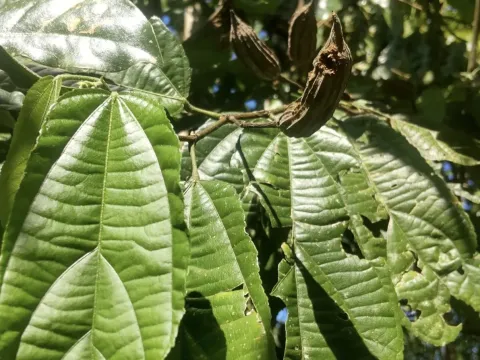
Glyphaea
Glyphaea
Glyphaea (specifically Glyphaea brevis) is a tropical shrub that typically propagates via seeds within its native range. Sowing is usually performed at the onset of the wet season, as the increased moisture levels are critical for successful seed germination.
What the section contains

Glyphaea
Under natural conditions, seeds disperse through zoochory or fall near the parent plant to begin their growth cycle. For controlled cultivation, seed stratification is recommended to break dormancy and ensure a uniform germination rate among the planted seeds.
Soil temperatures should ideally remain between +24 and +28 degrees Celsius for optimal germination performance. Seeds are typically planted at a shallow depth of 1–2 centimeters, ensuring they receive enough warmth and oxygen for early root development.
Adequate sunlight is essential during the seedling stage, as Glyphaea is sensitive to excessive shade, which can hinder growth and weaken the stems. Selecting an open, sunny location is a fundamental requirement for establishing a healthy crop.
Planting density is adjusted based on the intended use; for fiber production, dense spacing is utilized to encourage upward stem elongation and minimize the growth of side branches, which enhances the quality of the harvested fiber.
As a member of the Malvaceae family, Glyphaea thrives in tropical climates characterized by high temperatures and consistent rainfall. The plant requires stable conditions without extreme seasonal fluctuations to achieve its maximum biomass potential.
The crop performs best in fertile, well-draining loamy or sandy soils. Proper drainage is a critical requirement, as waterlogged soil conditions are detrimental and can quickly lead to root rot and the collapse of the plant population.
While the plant shows moderate drought tolerance once established, consistent irrigation is necessary for high-yield cultivation. Nitrogen-rich fertilizers are often applied to support rapid vegetative growth throughout the active growing season.
Wind protection is an important consideration in open-field systems, as strong gusts can cause mechanical damage to the stems. Establishing windbreaks is a standard practice to protect young plants and ensure the production of high-quality fiber.
The ideal soil pH for Glyphaea cultivation ranges from 6.0 to 7.0. If the soil is too acidic, liming should be performed before the planting season to improve nutrient availability and support overall plant vigor.
The primary economic value of Glyphaea lies in its strong bast fibers, which are used to manufacture ropes, cordage, and coarse textiles. The overall yield is directly influenced by the density of the planting and the quality of the agricultural practices used.
Young leaves and shoots are also harvested for use as fodder in tropical livestock systems, providing a versatile resource for smallholder farmers. The ability of the plant to provide multiple benefits increases its overall utility.
Various parts of the plant, including the bark and roots, are used in traditional medicine due to the presence of bioactive compounds. Although pharmaceutical demand is relatively specialized, it provides a valuable secondary market for the harvest.
Peak fiber yield is generally attained when the stems are harvested shortly after the flowering phase. Harvesting at this stage ensures the best balance between fiber strength and elasticity, as delaying the process leads to excessive lignification.
The long-term economic efficiency of the crop is supported by low input requirements and the perennial nature of the plant, provided that the shrub is managed through careful pruning and maintenance cycles.
The most common threats to Glyphaea are fungal diseases associated with high-humidity environments. Diseases such as anthracnose and various root rots can be particularly devastating if sanitation protocols are not strictly followed.
Insect pests, including wood-boring beetle larvae, pose a risk by damaging the stems, which can compromise the quality of the fiber. Aphid infestations on young leaves can also weaken the plant, reducing its photosynthetic efficiency and overall health.
Effective management includes crop rotation and the prompt removal of infected plant material to prevent the spread of pathogens. Chemical control methods are generally limited to avoid environmental contamination and preserve the feed value of the biomass.
Nematode infestations in the root zone can occur in poorly drained soils. Monitoring plant health and ensuring proper drainage are the most effective preventative measures to protect the crop against subterranean threats.
Improving air circulation through regular pruning of the canopy is a standard preventative measure to reduce the formation of humid pockets that favor the development of fungal infections within the crop plantation.
Harvesting Glyphaea is accomplished through manual cutting or mechanized equipment, depending on the scale of the operation. To extract the bast fiber, the stems are bundled and retting processes are applied to separate the fibers.
After extraction, fibers are dried in shaded areas to maintain their structural integrity and strength, as prolonged exposure to direct sunlight can lead to degradation and loss of quality. Careful handling is required during the drying phase.
Bark harvesting for medicinal use is typically timed with the active sap flow period. This process requires precision to ensure the longevity of the plant, allowing it to recover effectively after the harvest of bark resources.
Harvesting for fodder is much more flexible and can be done periodically throughout the growing season as the leaf canopy regenerates. This enables a continuous supply of green biomass without endangering the plant's survival.
Final storage of the harvested materials must occur in well-ventilated, dry environments. Proper management of storage conditions prevents the development of mold and ensures the long-term viability of the fiber and medicinal products.