
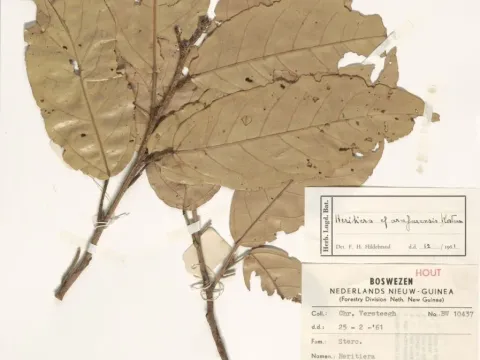
Heritiera arafurensis
Heritiera arafurensis
Heritiera arafurensis is a notable plant species belonging to the Malvaceae family. Originating from the specific tropical environments of the Arafura Sea region, this tree has developed unique adaptations that define its growth pattern and ecological role.
What the section contains
Heritiera arafurensis
The cultivation of this species requires a strictly tropical climate characterized by high humidity and consistent temperatures. It does not tolerate frost or significant thermal fluctuations, which makes its distribution restricted to equatorial zones.
Soil requirements focus on high organic content and excellent drainage. Given its natural habitat, the tree prefers soils that provide constant moisture without the risk of waterlogging, which is essential for healthy root development.
Botanically, the species is characterized by dense wood and specialized foliage adapted for light capture in dense forest canopies. The root system is robust, providing stability and efficient nutrient absorption in highly competitive tropical ecosystems.
Economically, the tree is primarily valued for its durable wood, which has been utilized in local traditional construction for generations. Sustainable harvesting remains a priority to ensure the future viability of this species in agricultural forestry projects.
The species faces pressure from various fungal pathogens that thrive in the humid conditions of the tropical forest. Root rot and leaf spot diseases are among the most common concerns for growers maintaining these trees in orchards.
Pest populations, including various tropical wood-boring insects, can cause significant damage to the plant structure. These pests often target young or weakened specimens, requiring careful monitoring and integrated pest management strategies.
Climate change poses a long-term threat to the stability of these natural ecosystems, impacting pollination cycles and overall tree health. Adaptation efforts are focused on breeding more resilient varieties that can withstand shifting environmental parameters.
Effective management strategies include maintaining proper spacing between trees to ensure adequate airflow and light penetration. This simple yet critical practice helps reduce the incidence of disease within the stand.
Biosecurity measures are essential when importing or transporting germplasm to prevent the spread of invasive pathogens. Protecting the genetic integrity of Heritiera arafurensis is crucial for both conservation and future agricultural development.