
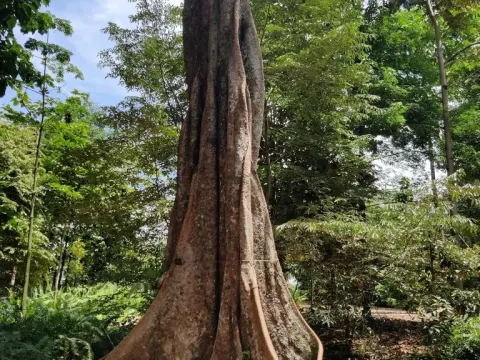
Heritiera elata
Heritiera elata
Heritiera elata is a prominent tropical tree species belonging to the Malvaceae family. Recognized for its structural resilience and height, it serves as a critical component of tropical ecosystems and forestry projects.
What the section contains
Heritiera elata
Native to the lush environments of Southeast Asia, this species thrives in humid tropical climates. It requires consistent rainfall and warm temperatures, making it unsuitable for cultivation in temperate or arid regions.
The ideal cultivation site consists of nutrient-rich, deep soil with exceptional drainage. Water management is essential, as the species does not tolerate waterlogging, which can severely compromise root health and overall vigor.
Cultivation practices involve selecting high-quality seedlings and providing initial shade protection. As the tree matures, it requires full sunlight to optimize photosynthesis and growth rates, ensuring the development of a long, straight trunk.
Soil nutrient maintenance is facilitated by organic fertilizers. Establishing a sustainable management plan that includes weed control and periodic monitoring ensures that the trees reach their full timber potential within a reasonable timeframe.
The primary utility of Heritiera elata lies in its high-quality timber. The wood is renowned for its strength, hardness, and natural resistance to decay, which are highly valued in both commercial and artisan sectors.
This timber is extensively used for cabinet making, heavy construction, and interior design elements. Its attractive texture and physical durability make it a preferred choice for high-end flooring and bespoke wooden items.
Processing the timber requires advanced drying techniques to prevent checking and warping. Once properly cured, the wood maintains its dimensional stability under various environmental conditions, reflecting its high market value.
In addition to timber, the tree contributes to carbon sequestration and land stabilization. Planting it on a plantation scale helps prevent soil erosion, making it a sustainable choice for tropical reforestation programs.
Harvesting follows strict silvicultural guidelines to ensure sustainability. By implementing selective logging cycles, foresters ensure the longevity of the stand while maximizing the economic yield of mature trees over the long term.