
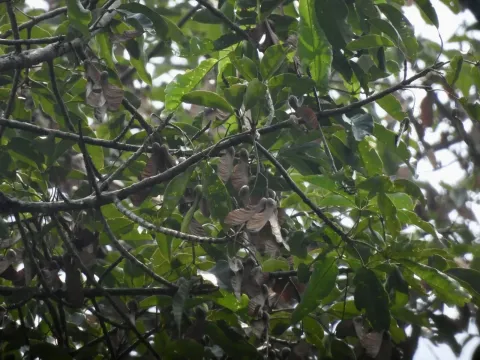
Heritiera javanica
Heritiera javanica
Heritiera javanica is a majestic tropical tree belonging to the Malvaceae family. It is native to the tropical forests of Southeast Asia, where it plays a significant ecological role within its natural habitat.
What the section contains
Heritiera javanica
The tree thrives in deep, fertile soils that provide excellent drainage. These conditions are essential for the proper development of its robust root system and for sustaining the fast growth rates typical of this species.
Environmental requirements include a consistent tropical climate with high humidity and significant annual precipitation. While the tree prefers full exposure to sunlight for optimal canopy development, saplings often benefit from partial shade during their early growth stages.
Agronomic management involves regular monitoring of soil nutrition and moisture levels. Maintaining weed-free conditions around the base of the trees ensures that young saplings do not have to compete for vital nutrients and space.
The timber extracted from Heritiera javanica is highly valued in various industries due to its durability and resistance to biological decay. It is widely used in high-quality furniture making and structural engineering projects.
The primary threat to Heritiera javanica plantations is the development of root rot, often caused by waterlogging in poorly drained soil. Proactive water management and soil aeration are critical to preventing such losses.
Wood-boring insects present a serious threat to the commercial value of the timber. Regular inspections of the stands are necessary to detect and mitigate infestations before they spread throughout the plantation.
Defoliating insects can occasionally attack young saplings, slowing down their annual increment. Integrated pest management strategies, focusing on biological control, are recommended to protect the growth of the trees.
Pathogenic fungi can also affect the stems and leaves under conditions of high density and poor air circulation. Proper spacing between trees is crucial to maintain healthy ventilation and reduce the risk of disease spread.
Nutrient deficiencies, particularly in the later stages of growth, can make trees more susceptible to opportunistic pests. A balanced fertilization program tailored to the specific soil profile is essential for maintaining tree vigor.