
Heritiera
Heritiera
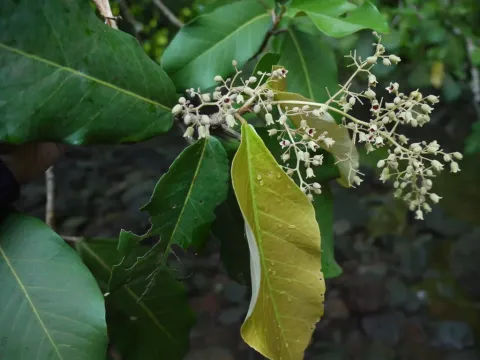
Heritiera is a genus of evergreen tropical trees belonging to the Malvaceae family. These trees are naturally found in moist tropical environments, often in coastal areas or mangrove forests, where they have developed specialized root systems to withstand fluctuating water levels.
What the section contains

Heritiera
For successful growth, Heritiera requires a tropical climate characterized by consistently warm temperatures, ideally above 20 degrees Celsius. The plant is highly sensitive to frost and sudden drops in temperature, which restricts its cultivation to equatorial and subtropical regions with adequate rainfall.
The ideal soil for Heritiera is deep, well-drained, and rich in organic matter. While some species are adapted to brackish water conditions, commercial plantations thrive best in fertile, alluvial soils that provide both stability and necessary nutrients for optimal height growth.
Light management is a critical component of cultivation. While seedlings can tolerate partial shade, the trees require significant exposure to sunlight as they mature to support the production of dense, high-quality timber. Providing adequate spacing is essential to ensure light penetration throughout the canopy.
Good agricultural practices include regular monitoring of soil moisture and maintaining weed-free areas around young saplings. Proper forest management techniques, such as periodic thinning, are used to promote straight stem growth and prevent overcrowding in high-density plantations.
The primary economic value of Heritiera lies in its timber, often marketed as high-quality hardwood. Known for its durability, hardness, and resistance to decay, the wood is highly sought after for boat building, heavy construction, and fine furniture manufacturing.
The yield of timber is measured by the volume of usable wood per hectare upon reaching maturity. Depending on the species and management intensity, harvest cycles typically range from several decades, requiring long-term planning and investment in forest health.
Beyond wood production, certain species are studied for their potential to provide non-timber forest products, including extracts from seeds or bark used in traditional medicines or potential cosmetic applications, adding value to the plantation ecosystem.
Productivity is significantly enhanced by careful selection of planting sites and the use of site-specific silvicultural techniques. Maximizing growth rates during the first years of establishment is essential to achieving a shorter rotation period and better returns on investment.
Global demand for Heritiera wood remains consistent due to its structural integrity in marine environments. Sustainable harvesting practices ensure that the supply chain remains viable while maintaining the long-term ecological balance of the forest plantations.
Pathogens represent a significant threat to Heritiera plantations, particularly fungal infections that take hold in high-humidity environments. These infections can compromise the internal quality of the timber, significantly reducing the market value of the harvested logs.
Insect pests, such as wood-boring beetles, are among the most destructive threats. They create tunnels within the wood, which can lead to structural weakness and total rejection of the lumber during quality control inspections at the processing facility.
Environmental stress, such as prolonged drought or extreme flood events, weakens the trees' natural defenses. This makes them more susceptible to infestations by secondary pests and diseases, necessitating proactive health monitoring programs.
Anthropogenic pressure and habitat destruction pose risks to wild populations. In plantation settings, the lack of biological diversity can also exacerbate the impact of localized disease outbreaks, requiring integrated pest management strategies.
Sustainable forest management involves continuous observation to detect early warning signs of decline. By implementing sanitation logging and controlling entry points for pathogens, foresters can mitigate risks and ensure the longevity of the timber stand.