
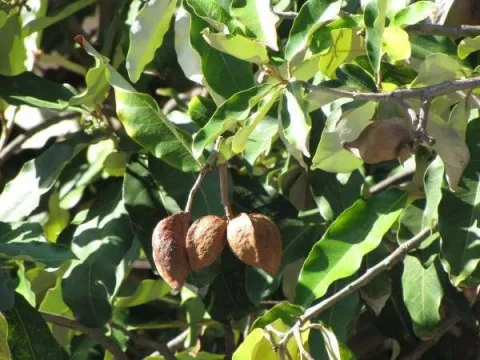
Heritiera borneensis
Heritiera borneensis
Heritiera borneensis is a large tropical tree species belonging to the Malvaceae family. Native to the lowland rainforests of Borneo, it thrives in environments characterized by high humidity and consistent rainfall patterns typical of equatorial regions.
What the section contains
Heritiera borneensis
The climate requirements for this species are strict, demanding a year-round warm temperature without extreme fluctuations. It is sensitive to drought, making adequate moisture availability a primary factor for successful establishment and growth in managed forest environments.
Soil conditions are critical for the health of Heritiera borneensis. The species favors deep, well-drained fertile soils, often found in alluvial areas. Proper drainage is essential to avoid waterlogging, which can compromise root system development and lead to physiological stress.
Silvicultural practices involve careful management of light exposure during the seedling stage. Young trees are typically shade-tolerant, requiring canopy protection to ensure steady growth and to prevent damage from intense solar radiation found in cleared forest gaps.
Agrotechnical maintenance focuses on maintaining plant density and monitoring for competitive vegetation. Given the slow growth rates, consistent management is required to ensure that the trees develop a straight, high-quality trunk suitable for eventual timber extraction.
The primary economic output of Heritiera borneensis is its high-density, durable timber. It is highly valued in the construction industry for structural components that require significant mechanical strength and resilience to wear.
Beyond construction, the timber is utilized for premium flooring and heavy-duty carpentry. Its structural properties allow it to withstand significant environmental and physical stress, making it a preferred choice for specialized woodwork.
The harvest yield of this species is measured over long-term forestry cycles. Due to its slow growth, sustainable yield management is vital to balance commercial demand with the necessity of preserving the species in its natural habitat.
Industry research is currently directed toward improving silvicultural techniques to optimize tree growth without compromising the quality of the wood. This involves selective breeding and the implementation of precise fertilization programs in plantation nurseries.
Efficiency in timber processing is also a key yield component. By utilizing modern precision machinery, producers can maximize the conversion rate of raw timber into high-value products, thereby reducing waste in the forestry value chain.
Heritiera borneensis faces significant threats from habitat loss due to large-scale conversion of lowland forests into agricultural land. Deforestation disrupts the natural regeneration cycle and limits the spread of the species within its native range.
Pests and diseases, such as wood-boring insects and various fungal pathogens, can affect the vitality of older trees. Fungal infections, in particular, can degrade the quality of the timber if left unmanaged in forest plantations.
Climate change poses an emerging risk, as shifts in precipitation patterns can lead to prolonged dry spells that this species is not well-adapted to withstand. Such stress increases the trees' susceptibility to opportunistic pathogens and environmental decline.
Illegal logging remains a major threat to mature wild populations. The removal of large reproductive trees reduces the seed bank and compromises the genetic diversity necessary for the long-term survival of the species in the wild.
Management strategies against these threats include the establishment of protected forest reserves and the enforcement of strict harvesting quotas. Integrating these trees into sustainable agroforestry systems helps to mitigate the impact of habitat fragmentation.