
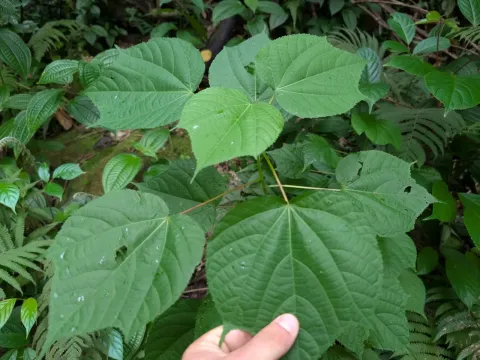
Heliocarpus
Heliocarpus
Heliocarpus, a genus within the Malvaceae family, is a fast-growing tropical tree species. Seeds are typically sown in well-prepared nurseries at the onset of the rainy season to ensure sufficient moisture for germination.
What the section contains


Heliocarpus
Once seedlings reach a height of 30–50 cm, they are transplanted into their permanent field locations. The planting density depends on the specific commercial objective, such as fiber production or biomass energy.
Soil preparation is crucial, requiring thorough weeding and deep tillage. Young trees need protection from competing vegetation during the initial growth stages to ensure rapid development.
The optimal temperature for seed germination and initial growth is between 25 and 30 degrees Celsius. Consistent moisture levels are vital during the first few months to ensure successful establishment.
An effective sowing strategy reduces the adaptation period and ensures a high survival rate of seedlings. This phase is fundamental to achieving high plantation productivity.
Heliocarpus thrives in deep, fertile, and well-drained soils. It is highly sensitive to waterlogged conditions, making proper drainage systems essential for avoiding root rot issues.
As a light-demanding species, the plant requires full sun exposure to maximize growth rates. Significant shading can severely inhibit development and lower overall fiber quality.
The climate requirements include stable, high temperatures throughout the year. The species is perfectly adapted to tropical regions with annual rainfall exceeding 1500 mm.
Wind protection is necessary for young plantations, as stems are prone to damage before achieving structural maturity. Windbreaks should be integrated into the layout of the plantation.
The soil pH should be maintained in the slightly acidic to neutral range. Nutrient-rich soils significantly accelerate biomass accumulation and enhance tree vigor.
Heliocarpus is prized for its exceptional growth speed, making it highly suitable for biomass and pulp industries. Under favorable conditions, trees can achieve significant height increases within a single year.
The bark serves as a source of high-quality bast fiber, comparable to jute. This natural fiber is valuable for various industrial applications, including textiles and packaging materials.
The timber produced by Heliocarpus is lightweight and easy to process. It is frequently utilized in the manufacture of various wooden products that require low-density material.
Plantations can often be harvested within 3 to 5 years, offering a relatively short rotation cycle for a tree species. This makes the crop an economically attractive option for tropical farmers.
Heliocarpus is also used in agroforestry systems to restore degraded soils. Its fast growth provides rapid canopy cover, protecting the ground surface from erosion.
Common threats include tropical leaf-eating insects and wood-boring pests that target young stems. Regular plantation monitoring is essential for early detection and control.
Fungal diseases affecting the root system are often linked to poor drainage or excessive soil moisture. Proper irrigation management is the primary defense against these pathogens.
Phytophthora and other related fungi can be problematic in high-humidity areas. Maintaining good airflow between plants is a critical preventative measure.
Nematodes may pose a risk in sandy soil types, damaging the roots and stunting growth. Integrating cover crops in the rotation helps manage soil-borne pest populations.
Overall, Heliocarpus is a resilient crop if standard agricultural practices are followed. Most health issues are manageable through consistent field maintenance and site selection.
Harvesting for fiber is best conducted during periods of active sap flow, as this allows for easier separation of the bark from the woody core. This timing ensures superior fiber quality.
Modern harvesting techniques involve mechanical felling near the base, which can stimulate coppice regrowth for future harvests. This method maximizes the utility of the rootstock.
After felling, the stems undergo processing to strip the bark. The fiber is then extracted using water retting or mechanical decortication methods depending on the scale of operation.
Optimal harvest times depend on the desired diameter and bark characteristics. Producers adjust the harvest schedule based on whether the primary goal is biomass or fiber yield.
Post-harvest residues, such as leaves and branches, should be collected and incorporated into the soil. This practice helps maintain soil fertility and closes the nutrient cycle.