
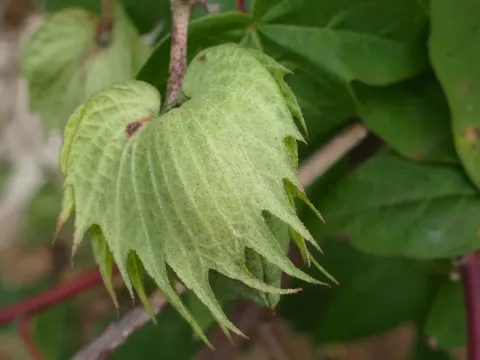
Gossypium microcarpum
Gossypium microcarpum
Gossypium microcarpum is a botanical species belonging to the Malvaceae family, sharing the typical characteristics of cotton-producing plants. It is primarily managed as an annual crop in agricultural systems to optimize fiber yield and consistency.
What the section contains
Gossypium microcarpum
The sowing window for this crop is strictly determined by soil temperature, which needs to reach a stable range of 14–16 degrees Celsius. Early planting in cold, wet soil significantly increases the risk of seed decay and uneven seedling emergence, which negatively impacts final stand uniformity.
Precision seeding technology is standard for this crop to ensure that each plant has adequate space to develop its canopy and root system. Typical plant populations are determined by soil fertility levels and the specific machinery available for subsequent mechanical interventions.
Seeds are usually processed to remove linters and are treated with fungicides before planting to protect against early-season pathogens. Proper seed preparation is a fundamental component of achieving high-quality crop establishment in the field.
Following germination, the crop requires careful weed management during its early growth phases. Inter-row cultivation or controlled herbicide applications are essential to minimize competition for nutrients and moisture during the critical development period of the young plants.
The species has high thermal requirements, needing a cumulative heat unit count of over 3000 degrees during the growing season. It thrives in regions with intense solar radiation and long, frost-free summers, which are essential for maturation.
Soil quality is a critical factor for success; the plant prefers deep, well-drained soils with high organic matter content. Sandy loams and fertile alluvial soils are generally considered ideal for supporting the deep taproot structure characteristic of the species.
Water management through irrigation is necessary in most production areas, especially during the flowering and boll-filling stages. While the plant shows some drought tolerance due to its taproot, excessive water stress leads to premature square shedding and reduced lint quality.
Mineral nutrition must be balanced, focusing on nitrogen for vegetative growth and phosphorus/potassium for reproductive health. Excess nitrogen at the end of the season can lead to prolonged vegetative development, delaying the maturity of the bolls.
Environmental conditions, particularly humidity and wind, influence the overall health of the crop. High humidity levels during the boll-opening phase can be detrimental, potentially leading to fungal growth and fiber discoloration, which lower the market value of the harvest.
The yield potential of Gossypium microcarpum is heavily dependent on the duration of the growing season and the effective management of the flowering period. Under optimal conditions, the plant produces high-quality fiber suitable for commercial textile production.
Factors limiting yield include the percentage of fruit retention, as the plant naturally sheds a portion of its squares if stressed by environmental conditions or nutrient deficiencies. Agricultural interventions aim to maximize this retention through irrigation and fertilization management.
Post-flowering boll development requires steady temperatures and sunlight to ensure fibers reach full maturity and desired length. Harvest timing is synchronized with the natural opening of the bolls, often assisted by chemical defoliation to streamline mechanical picking.
Yield stability is achieved through long-term crop rotation practices that reduce the buildup of soil-borne pathogens. Integrating the crop into a balanced rotation cycle is a prerequisite for maintaining high productivity over multiple production years.
Post-harvest processing involves cleaning and ginning to separate the fibers from the seeds. The quality of the final lint is evaluated based on parameters such as staple length, strength, and fineness, all of which are linked to the success of the growing season.
The crop is vulnerable to various pests, including bollworms and aphids, which can cause severe economic losses if not monitored and treated timely. Integrated pest management (IPM) strategies are commonly employed to keep infestations below economic thresholds.
Spider mites represent another significant threat, particularly in hot and dry climates where they reproduce rapidly. These mites damage leaf tissue, which diminishes the photosynthetic efficiency of the plant and limits its capacity to fill the bolls effectively.
Fungal diseases, notably verticillium and fusarium wilt, pose a constant threat to the vascular health of the plant. These soil-borne pathogens are difficult to control once established, making prevention through resistant varieties and crop rotation the most viable strategies.
Bacterial infections, such as bacterial blight, can manifest as leaf spots and stem lesions. These conditions often spread under wet and humid weather, requiring prophylactic measures and the use of healthy, certified seeds for every planting cycle.
The use of chemical controls for both pests and diseases must be judicious to avoid disrupting local ecological balances. Field scouting and the use of pheromone traps allow farmers to apply interventions with precision, ensuring crop protection while minimizing environmental impact.