
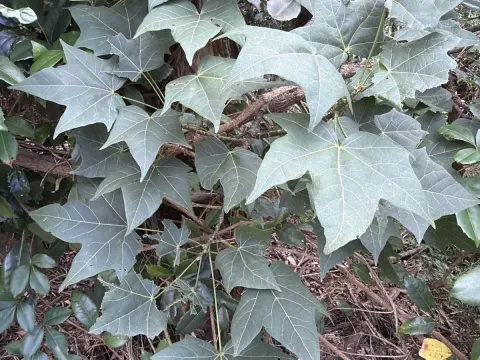
Brachychiton
Brachychiton
Propagation of Brachychiton via seeds is best performed during early spring. Before sowing, it is recommended to soak the seeds in a growth promoter to improve the overall germination rate and speed up the process.
What the section contains
 Australian Bottle Tree
Brachychiton australis
Australian Bottle Tree
Brachychiton australis
 Brachychiton discolor
Brachychiton discolor
Brachychiton discolor
 Brachychiton diversifolius
Brachychiton diversifolius
Brachychiton diversifolius
 Brachychiton hybrid
s
Brachychiton hybrid
Brachychiton hybrids
 Brachychiton megaphyllus
Brachychiton megaphyllus
Brachychiton megaphyllus
 Illawarra Flame Tree
Brachychiton acerifolius
Illawarra Flame Tree
Brachychiton acerifolius
 Queensland bottle tree
Brachychiton rupestris
Queensland bottle tree
Brachychiton rupestris
Brachychiton
A well-draining, lightweight medium is crucial for seed sowing. A mixture of peat moss and perlite or coarse sand provides the necessary aeration for delicate roots to establish without waterlogging.
Seeds should be covered with about 1–2 centimeters of soil and kept in a warm environment, ideally between 22 and 25 degrees Celsius, to ensure optimal development.
Once seedlings have developed two sets of true leaves, they can be transplanted into individual pots. This stage requires careful handling to avoid damaging the taproot system common in this genus.
Sterilizing the growing medium before use is highly advisable to prevent the growth of damping-off pathogens, which are the primary cause of seedling loss during the early development phase.
As a member of the Malvaceae family, Brachychiton is native to the diverse landscapes of Australia. It requires abundant, bright sunlight for optimal growth and to maintain its structural integrity.
The plant thrives in fertile, well-draining soil with a neutral pH level. Proper drainage is the most critical agronomic factor, as the species is highly sensitive to root asphyxiation caused by water accumulation.
During the peak growing season, water the plant moderately, allowing the substrate to dry out between watering intervals. The plant's succulent nature, particularly the caudex, acts as a moisture reserve during dry spells.
Temperature management is key to annual development; keep the plant between 20–28 degrees Celsius in summer and allow for a cooler dormancy period in winter, ideally around 12–15 degrees Celsius.
While Brachychiton is drought-tolerant, maintaining a consistent airflow in the growing area is essential for preventing fungal issues, especially if humidity levels fluctuate significantly.
Spider mites and scale insects are the most common pests affecting Brachychiton. These infestations are often encouraged by dry indoor air and a lack of proper hygiene around the plant canopy.
Root rot is the most significant disease threat, usually triggered by poor drainage or overwatering. It often manifests through yellowing leaves and a softening of the lower trunk area.
Management of pests involves the use of specialized insecticides or horticultural oils. Consistent monitoring of the underside of leaves can help detect populations before they cause significant damage.
Powdery mildew can occur in environments with poor air circulation and high humidity levels. Management requires improving airflow and applying systemic fungicides if the infection becomes widespread.
Maintaining a balanced nutrition and water schedule is the best preventative strategy against disease, ensuring that the plant's natural defense systems remain robust against environmental stress.