
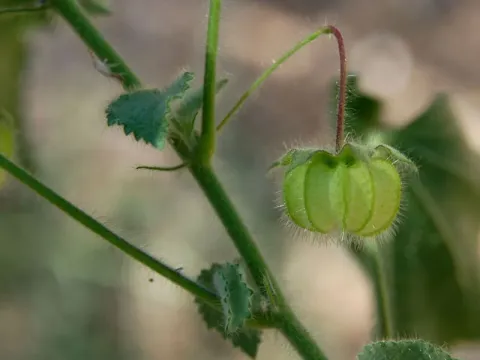
Briquetia
Briquetia
Briquetia requires a warm climate for germination, so sowing should only commence once the soil temperature consistently stays above 20 degrees Celsius.
What the section contains
Briquetia
The ideal planting time is at the onset of the rainy season, which provides the necessary moisture levels for the seeds to establish a strong root system early on.
Proper spacing between rows is essential to ensure adequate airflow and light penetration, which helps in reducing the humidity around the base of the plants.
Seed depth should be carefully controlled to avoid delayed emergence, with shallow planting favored for better success in tropical soil conditions.
Effective seedbed preparation, including the removal of competing weeds, is a fundamental step in ensuring the crop gets a strong start in the field.
This plant thrives in well-drained, fertile soil types, preferring loamy or sandy loam textures that prevent waterlogging and promote root health.
Briquetia is highly light-demanding and performs best when grown in open fields that receive full sun exposure throughout the entire duration of the day.
The crop requires consistent moisture throughout its growth cycle, but it is sensitive to water saturation, which can lead to fungal infections of the roots.
Optimal growth occurs in temperatures between 25 and 30 degrees Celsius, making it a suitable candidate for specific tropical and subtropical climates.
Soil nutrient management, specifically the application of balanced nitrogen-based fertilizers, is key to maximizing the vegetative growth of this fiber plant.
The yield of Briquetia depends on the cultivar selection and the precision of agronomic practices applied during the primary vegetative growth stages.
Plant density plays a significant role in the overall biomass production, with higher populations often leading to a higher yield of total dry fiber matter.
Maximizing yield requires careful attention to irrigation and nutrient timing to ensure the plant continues to develop without being stunted by environmental stress.
Farmers aim to achieve a uniform stand of crops to simplify harvesting processes and improve the efficiency of processing the plant material after harvest.
Research into crop improvement suggests that optimizing nutrient uptake can lead to significant gains in raw fiber output per hectare of cultivated land.
Fungal pathogens represent the most significant threat to this crop, particularly when poor drainage leads to stagnant water around the plant roots.
Insect pests, such as aphids and various mites, frequently attack the foliage, which can substantially reduce photosynthetic capacity and overall vigor.
Weed competition during the seedling stage can significantly impact crop density and development, necessitating timely mechanical or manual weeding.
Integrated pest management strategies are recommended to mitigate damage while minimizing the reliance on chemical pesticides, which protects the ecosystem.
Crop rotation remains the most effective defense against soil-borne pathogens that can accumulate in fields where Briquetia is grown continuously.
Harvesting is typically timed to the phase when the stalks contain the highest quality and concentration of fiber, just before the plant enters senescence.
Mechanized harvesting tools are used to cut the stalks efficiently, ensuring that the biomass is handled gently to preserve the structure of the fibers.
Immediate post-harvest processing is critical to prevent the deterioration of raw materials due to high moisture levels or internal heat generation.
Drying and retting are essential steps in the post-harvest chain, transforming the raw stalks into a product suitable for industrial or textile applications.
Maintaining high hygiene standards during the harvest process is necessary to prevent contamination with dirt and debris, which degrades the final product value.