
Brachychiton megaphyllus
Brachychiton megaphyllus
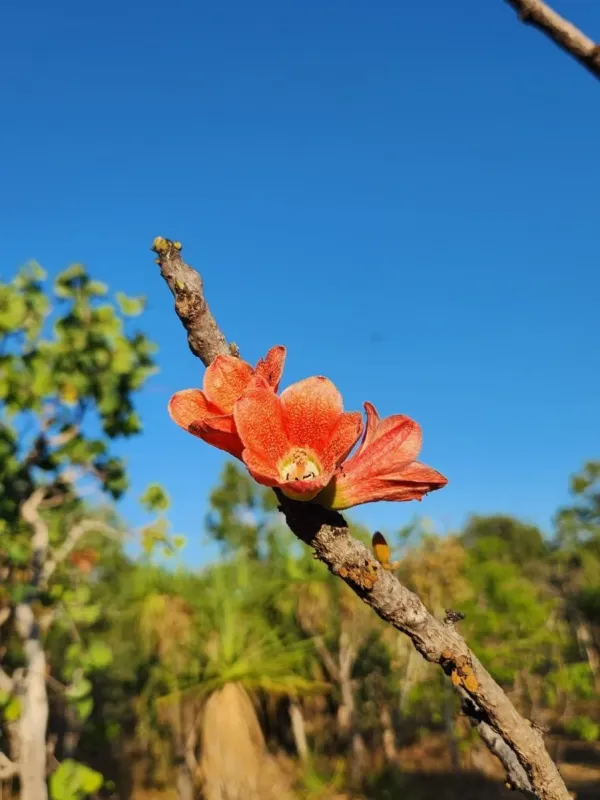
Description
Growing requirements
Brachychiton megaphyllus, belonging to the Malvaceae family, is a distinctive tree species native to the tropical northern regions of Australia. This plant is well-known for its large, distinct leaves and stunning bell-shaped red flowers that bloom during the drier months.
Botanically, this species is characterized by its ability to adapt to arid landscapes. In its natural habitat, the tree serves as a source of food for native fauna, particularly during the flowering season when it produces significant amounts of nectar.
When cultivating this species, site selection is paramount. It requires full sun exposure and well-drained, sandy loam soils. It is essential to ensure that the site does not have high water retention, as the root system is highly susceptible to rot.
The climate requirements are strictly tropical or subtropical. It does not tolerate frost, and even temperatures below 10 degrees Celsius can cause severe stress. For greenhouse cultivation, maintain a constant, warm temperature throughout the year.
General maintenance includes periodic watering, which should be drastically reduced during the dormant period. Fertilization should be kept to a minimum, primarily using slow-release fertilizers during the active growth phase to maintain healthy foliage development.
Main diseases and pests
Root rot is the most significant threat to Brachychiton megaphyllus in controlled environments. This issue is almost always a result of poor drainage or overwatering, necessitating strict adherence to irrigation schedules.
Pests such as scale insects and spider mites are common problems, particularly in indoor or greenhouse conditions where airflow may be limited. These insects suck the sap from leaves, causing yellowing and premature leaf drop.
Fungal leaf spot diseases can occur if the humidity levels remain too high for extended periods. Improving air circulation around the canopy is the best cultural practice for preventing these fungal pathogens from establishing.
For management of infestation, horticultural oils or insecticidal soaps can be used effectively without causing phytotoxicity. Always test a small area of the plant before applying any treatment to the entire specimen.
Monitoring the health of the plant involves regular inspections of the bark and leaves. Early intervention at the first sign of distress is crucial for maintaining the long-term aesthetic and biological health of this ornamental tree.