
Brachychiton diversifolius
Brachychiton diversifolius
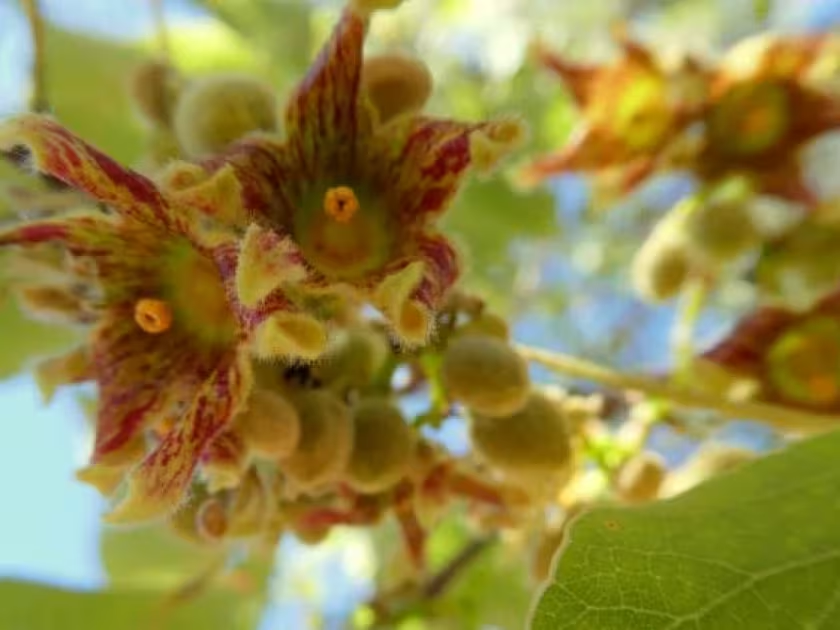
Description
Sowing dates
Propagation of Brachychiton diversifolius is typically achieved through seeds, which should be sown in the spring when soil temperatures reach 20-25 degrees Celsius. This temperature range ensures optimal germination rates and healthy seedling development.
Before sowing, seeds benefit from scarification or a brief soak in warm water to break their dormancy. Planting at a depth of 1-2 centimeters in a well-draining, loose peat-based substrate provides the best environment for the emerging radicle.
Cutting propagation using semi-hardwood stems is another effective method, especially for commercial production. Applying rooting hormones and maintaining high humidity levels in a nursery environment is crucial for success.
After reaching a size suitable for handling, seedlings should be carefully potted up or transplanted. Using a transplanting technique that minimizes root disturbance is vital, as the plant is sensitive to damage during its early growth stages.
Proper ventilation during the initial growth period prevents damping-off diseases in young seedlings. Once established, the plants should be gradually acclimatized to higher light intensity and less frequent watering.
Growing requirements
Brachychiton diversifolius, a member of the Malvaceae family, is native to tropical and subtropical regions of Australia. The species thrives in full sun, which is essential for maintaining its robust structure and characteristic leaf shape.
The plant requires well-drained soil with a slightly acidic to neutral pH. High porosity is necessary to prevent waterlogging, which the plant cannot tolerate, given its natural adaptation to drier, rocky, or sandy Australian soils.
This tree features a caudex-like trunk capable of storing water, an adaptation that allows it to survive intermittent drought. While hardy in that regard, consistent moisture during the growing season promotes faster growth and better foliage.
Temperatures should remain between 18 and 28 degrees Celsius for active growth. Brachychiton is frost-sensitive and should be kept in protected environments or greenhouses in temperate regions to avoid cold damage during the winter.
During the winter dormancy period, the plant requires cooler temperatures and a significant reduction in watering. Maintaining a dry substrate during this phase prevents root rot and ensures the plant begins its next season with vigor.
Main diseases and pests
Common pests associated with Brachychiton diversifolius include spider mites, scale insects, and mealybugs. These pests are particularly problematic in indoor environments where air circulation is poor and humidity levels are low.
Regular monitoring of the foliage, especially the undersides of leaves and leaf axils, is the most effective way to detect early infestations. Early intervention with organic insecticidal soaps or specific pesticides can resolve these issues efficiently.
Root rot is the most common pathology, usually resulting from overwatering or inadequate soil drainage. If the substrate remains waterlogged, the roots will quickly degrade, leading to rapid decline of the entire plant.
Prevention of fungal issues involves ensuring that the growing medium is allowed to dry out appropriately between watering cycles. Using high-quality, sterile potting mix during the initial planting stages further reduces the risk of soil-borne diseases.
Overall, maintaining a clean cultivation environment and providing adequate air circulation are key factors in protecting the plant. Healthy, well-nourished plants are generally more resilient to both insect attacks and opportunistic fungal infections.