
Brachychiton hybrid
Brachychiton hybrids
Description
Growing requirements
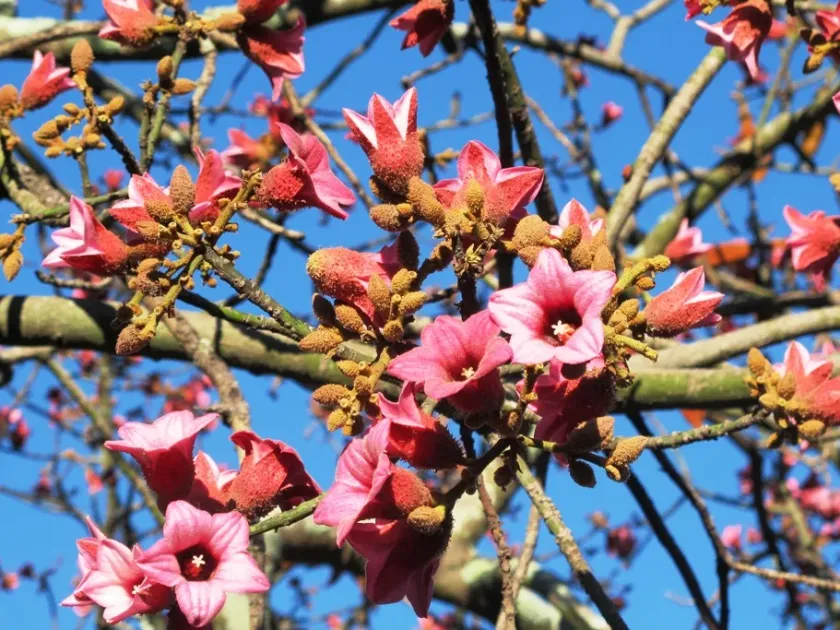
The Brachychiton hybrid (lat. Brachychiton hybrid) belongs to the Malvaceae family. This ornamental tree is a product of cross-breeding, resulting in a plant that combines the structural elegance of its parents with significant hardiness. The plant is characterized by a distinctive, bottle-shaped trunk that acts as a water storage organ, an evolutionary adaptation typical of arid environments.
Originating from subtropical Australian species, this tree thrives in locations with high light intensity. For successful cultivation, it requires well-draining, slightly acidic to neutral soils. In agricultural settings, ensuring proper aeration of the root zone is critical; heavy clay soils should be amended with organic matter or coarse perlite to prevent root asphyxiation.
The climate requirements include a warm growing season with temperatures between 20°C and 28°C. During the dormant winter phase, temperatures should be kept significantly lower, ideally around 12–15°C. This cycle is essential for maintaining the tree's health and promoting future flowering patterns, as it mimics the natural seasonality of its native habitat.
Irrigation practices must prioritize the drying out of the soil profile. Over-watering is the most common cause of failure in Brachychiton cultivation, leading to rapid rot of the succulent root tissues. Fertilizer application should be balanced, utilizing slow-release granules during the spring peak growth period to support leaf development and structural integrity.
The main horticultural use of the Brachychiton hybrid is ornamental. It is widely prized as a focal point in landscapes and as a containerized specimen for public spaces. Due to its architectural form and vibrant foliage, it is frequently utilized in urban planning projects in Mediterranean climates, where it can provide long-term shade and aesthetic appeal.
Main diseases and pests
Common pests include aphids and mealybugs, which settle on the undersides of leaves and at the base of petioles. Integrated pest management, focusing on biological controls and the application of horticultural oils, is recommended. Monitoring for leaf spot diseases caused by high humidity is also advised to maintain plant vitality.