
Illawarra Flame Tree
Brachychiton acerifolius
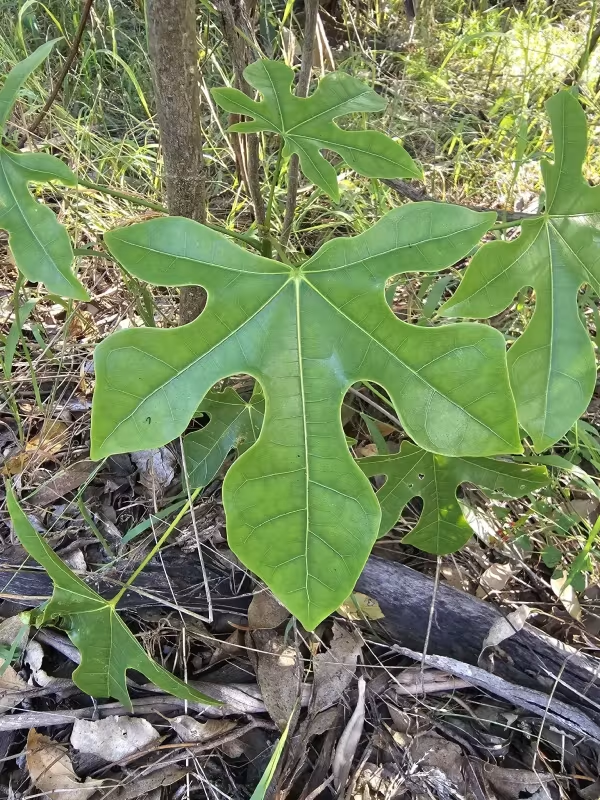
Description
Sowing dates
The propagation of the Illawarra Flame Tree is typically achieved through seeds. Before sowing, it is advisable to scarify the seeds or soak them in warm water for 24 hours to significantly improve the germination rate.
Seeds should be sown in a well-draining, lightweight medium such as a peat-perlite mixture. A stable temperature of 22–25 degrees Celsius is essential for successful seedling establishment.
Once the seedlings develop their first set of true leaves, they should be carefully transplanted into individual pots. Handling the root system requires extreme caution to avoid transplant shock.
Planting in a permanent location is best performed during the warm growing season. Proper spacing is necessary to allow the tree to reach its full canopy potential as it matures.
Belonging to the Malvaceae family, this species is native to the subtropical regions of the Australian east coast. It is widely recognized for its spectacular, fire-red bell-shaped flowers.
Growing requirements
The Brachychiton acerifolius thrives in full sun exposure. While young trees can tolerate partial shade, maximum flowering intensity is achieved only with sufficient direct sunlight throughout the day.
Soil requirements focus on excellent drainage and moderate fertility. It is highly adaptable to various soil types, provided that waterlogging is strictly avoided to prevent root rot.
Climatically, the tree is suited for warm temperate and subtropical zones. In cooler climates, it must be grown in large containers and moved indoors or into greenhouses during winter months.
Watering frequency should be adjusted seasonally. The tree requires regular hydration during the active growing phase, whereas winter irrigation must be minimized to support a period of dormancy.
Fertilization with a balanced, slow-release fertilizer during the spring boosts canopy development. It is crucial not to over-fertilize with nitrogen, as this may delay the onset of flowering.
Main diseases and pests
Common pests affecting the Illawarra Flame Tree include spider mites and mealybugs, which are particularly problematic in indoor or greenhouse settings with low humidity.
Effective pest control involves regular inspections and the application of appropriate systemic insecticides. Increasing ambient humidity can help deter spider mite infestations.
Root rot caused by Phytophthora or other fungi is the primary disease threat. This condition is almost always associated with poor soil drainage or excessive water retention in the pot.
Preventive measures include ensuring high-quality drainage systems and promoting good air circulation around the tree canopy to reduce the risk of fungal growth.
If symptoms of disease appear, affected root sections should be pruned and the plant treated with specialized fungicides. Maintaining a consistent hygiene protocol is key to long-term health.