
Queensland bottle tree
Brachychiton rupestris
Description
Growing requirements
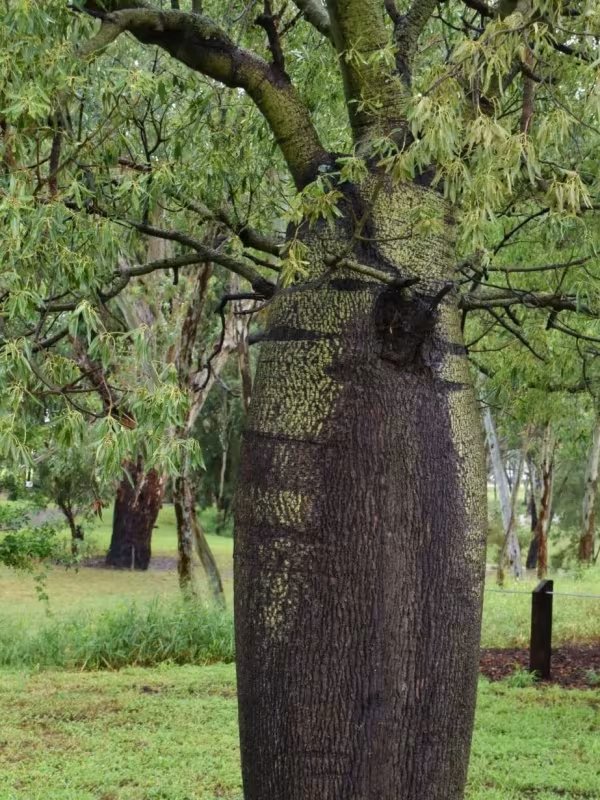
The Queensland bottle tree (Brachychiton rupestris) is a member of the Malvaceae family, famous for its distinct, swollen trunk that acts as a water storage organ. This morphological adaptation is a classic example of survival in arid environments, allowing the plant to endure prolonged water shortages.
The plant originates from the dry regions of Queensland, Australia. Consequently, it requires full sun exposure to maintain its characteristic growth habit. It thrives in well-draining, sandy, or rocky soil types, as the roots are highly sensitive to prolonged dampness and anaerobic conditions.
Regarding climate, this species is strictly non-frost hardy. While it can be grown outdoors in subtropical climates, in colder zones, it is typically managed as a container plant. During the active growing season, temperatures between 20°C and 30°C are considered optimal for healthy development.
Cultural management should focus on a conservative irrigation strategy. During winter, the plant enters a dormant phase, requiring little to no water. Overwatering during this time is the most frequent cause of plant failure, often leading to rapid root decay and trunk rot.
The primary utility of the Queensland bottle tree is ornamental. It is a highly sought-after specimen for landscaping in xeriscapes and arid regions. Furthermore, its sculptural shape makes it a prized ornamental plant for conservatories and botanical gardens globally.
Main diseases and pests
The most significant threat to Brachychiton rupestris is root-rot fungus, often triggered by poor soil aeration or excessive irrigation. To mitigate this risk, it is essential to ensure the soil medium is highly porous and the container has excellent drainage.
Insect pests, such as mealybugs and scale insects, may colonize the foliage and stems, especially in indoor environments with poor ventilation. Regular inspection and localized treatment with horticultural soaps or systemic insecticides are recommended to maintain plant vigor.