
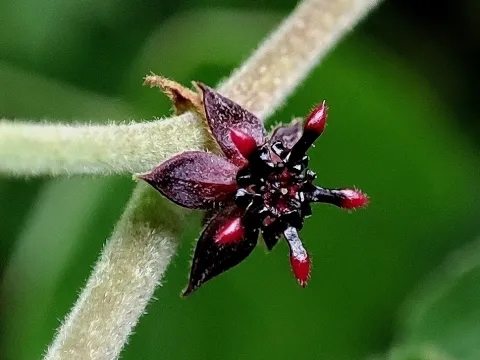
Byttneria
Byttneria
The genus Byttneria, belonging to the Malvaceae family, consists of tropical shrubs and vines. These plants are primarily native to the humid forests of South America, Africa, and Southeast Asia, where they form part of the understory vegetation.
What the section contains


Byttneria
Successful cultivation of Byttneria requires a consistent tropical climate with temperatures rarely dropping below 15-18 degrees Celsius. The species thrives in environments with high humidity levels throughout the entire year.
In terms of soil, the plants prefer well-drained, nutrient-rich substrates that prevent waterlogging. Excessive moisture around the root zone is detrimental, often leading to rapid decay of the root system and plant death.
Botanically, the plants are characterized by alternating leaves and small, axillary flowers. Certain species exhibit woody climbing habits, allowing them to access canopy light in their native habitats, which is a key biological adaptation.
The economic potential of the genus is currently centered on research into its chemical composition and potential use as a source of raw materials or fibers. Its agricultural footprint remains localized and specialized to botanical research centers.
The most common pests affecting Byttneria include spider mites and scale insects, which proliferate quickly in tropical settings if unchecked.
Fungal infections, particularly those caused by root rot pathogens, represent a significant threat to the survival of these plants in cultivation.
Weed management is critical during the initial establishment of seedlings, as Byttneria can be easily outcompeted for resources in its early growth stages.
Maintaining air circulation is essential to prevent the spread of powdery mildew, which can significantly damage the foliage and reduce overall plant vigor.
Integrated pest management protocols, emphasizing biological controls over harsh chemical interventions, are recommended for maintaining healthy specimens.