
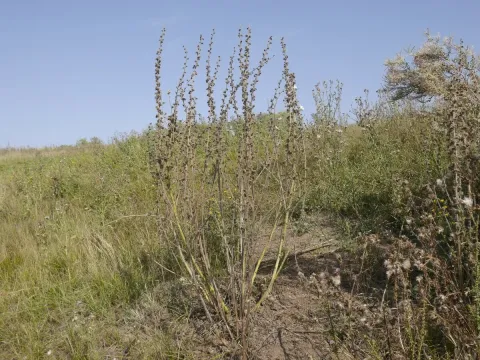
Alcea heldreichii
Alcea heldreichii
The sowing of Alcea heldreichii is typically conducted in early spring once the soil temperature is consistently above 10 degrees Celsius. This ensures optimal germination rates and establishes a strong root system before the onset of summer heat.
What the section contains
Alcea heldreichii
Seeds should be planted at a depth of approximately 1–2 centimeters in well-prepared, loose soil. Providing adequate spacing, typically about 60 centimeters between rows, is crucial for plant development and air circulation.
Alternatively, the greenhouse seedling method can be utilized, starting in late winter. This approach provides a controlled environment, protecting young sprouts from environmental fluctuations and ensuring a more successful transplantation phase.
During the initial growth period, maintaining consistent soil moisture is essential for seedling development. However, excessive irrigation should be avoided to prevent damping-off diseases that frequently affect young Mallow seedlings.
For large-scale cultivation, site preparation involving the incorporation of organic matter is recommended. A well-drained, nutrient-rich soil profile serves as the foundation for the plant's long-term health and vigorous growth throughout the season.
Alcea heldreichii is a perennial plant within the Malvaceae family, known for its robustness and aesthetic value. Native to the Balkan region and Eastern Europe, it thrives in environments that offer plenty of direct sunlight.
The species requires a climate with distinct seasons but generally prefers regions that are not subject to prolonged extreme moisture. It is well-adapted to semi-arid conditions due to its deep taproot, which allows it to access water from lower soil strata.
Regarding soil requirements, Alcea heldreichii flourishes in fertile, loamy soils that possess excellent drainage capabilities. It is highly sensitive to waterlogged conditions, which can lead to rapid root decay if not managed through proper site selection or soil amendments.
Cultivation practices involve routine maintenance, including the removal of spent flowers to encourage subsequent blooming. Periodic fertilization with balanced nutrients helps sustain the plant's energy levels and improves overall floral output.
Sunlight exposure is a limiting factor for this crop; it requires at least six to eight hours of direct sunlight per day. Adequate light ensures the development of strong stems capable of supporting the large foliage and flower spikes typical of this species.
Rust fungi represent the most significant pathological threat to Alcea heldreichii, appearing as discolored pustules on the leaves. Effective disease management includes the removal of infected foliage and the application of sulfur-based fungicides.
Aphids and spider mites are common insect pests that thrive during hot, dry weather conditions. Monitoring the underside of leaves for early signs of infestation is a recommended practice to avoid extensive damage to the plant's metabolic structures.
Root rot, often caused by pathogens like Phytophthora, is an indirect threat that arises from poor soil drainage. Ensuring that the planting site has been properly graded or amended with grit can effectively mitigate this significant risk.
Slug and snail populations can decimate seedling populations in wet spring weather. Implementing physical barriers or integrated pest management strategies helps protect the young plants during their most vulnerable stage of development.
Overall, maintaining the vigor of the plant through adequate spacing and fertilization acts as a primary defense. A healthy, well-nourished Alcea heldreichii is naturally more resilient to the common pests and diseases found in commercial cultivation settings.