
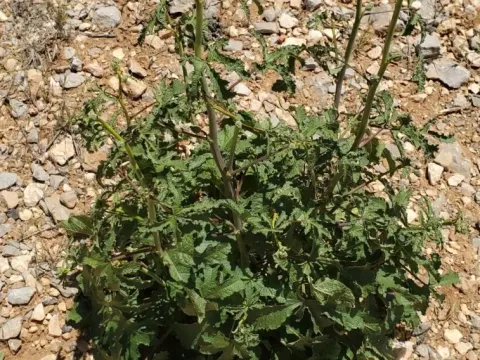
Alcea digitata
Alcea digitata
Sowing Alcea digitata is ideally performed in the early spring once the soil temperature consistently reaches 10–12 degrees Celsius for optimal germination.
What the section contains
Alcea digitata
The seeds should be sown at a depth of approximately 2–3 centimeters, ensuring they are covered with fine, well-aerated soil for better contact.
Using a wide-row spacing of 45 to 60 centimeters is recommended for field cultivation to facilitate effective mechanical weeding and crop management.
It is important to select high-quality, viable seeds to ensure uniform crop establishment and minimize the need for manual gap-filling later in the season.
Fall sowing is an alternative strategy, allowing the seeds to undergo natural stratification in the soil, which often results in more vigorous spring growth.
Alcea digitata is a robust member of the Malvaceae family that thrives best in full sun exposure and requires well-drained, fertile soil.
The plant is highly adaptable to various soil types, but it prefers neutral to slightly alkaline pH levels ranging between 6.0 and 7.5 for maximum growth.
While the species is relatively drought-tolerant once established, regular irrigation during the early vegetative stage is essential for root development.
Adequate soil aeration is critical; therefore, regular cultivation or hoeing between rows is necessary to prevent compaction and encourage deeper root penetration.
Soil fertility can be managed through the application of balanced organic fertilizers, which promote sustained growth and larger biomass production.
The yield potential of Alcea digitata depends largely on site conditions and the effectiveness of weed management during the critical stages of early growth.
Biomass production is highest during the flowering stage, making it an excellent candidate for various horticultural and potential industrial applications.
Seed harvesting should be performed when the fruit capsules transition from green to brown, ensuring the seeds are fully mature to maximize viability.
Fields can remain productive for several seasons with proper maintenance, reducing the need for frequent replanting and minimizing labor costs.
Strategic harvesting of aerial parts allows for efficient utilization of plant materials while maintaining the plant's health for future regrowth.
The most significant disease impacting this species is rust, which creates distinct fungal pustules on the undersides of the leaves during humid weather.
Powdery mildew is another common issue that appears as a white, dusty layer on the foliage, effectively reducing the plant's photosynthetic capacity.
Insect pests such as spider mites and aphids are known to feed on the sap, which can weaken the plants and lead to stunted growth if left unmanaged.
Integrated pest management, including the use of systemic insecticides and proper sanitation, is essential for controlling these common threats.
Crop rotation is highly recommended to avoid the buildup of soil-borne pathogens and to break the life cycle of specialized insect pests.
Harvesting for biomass should be timed with the peak flowering period to ensure the highest concentration of compounds within the stems and leaves.
For seed production, selective harvesting prevents premature seed dispersal caused by the natural splitting of mature dry capsules.
Post-harvest handling requires rapid drying under shaded, well-ventilated conditions to preserve quality and prevent microbial growth or discoloration.
Cleaned seeds should be stored in a cool, dry environment to maintain high germination rates for future agricultural planting cycles.
Proper field sanitation following harvest is crucial to remove debris and reduce the risk of carry-over pathogens into the next growing season.