
Petersianthus macrocarpus
Petersianthus macrocarpus
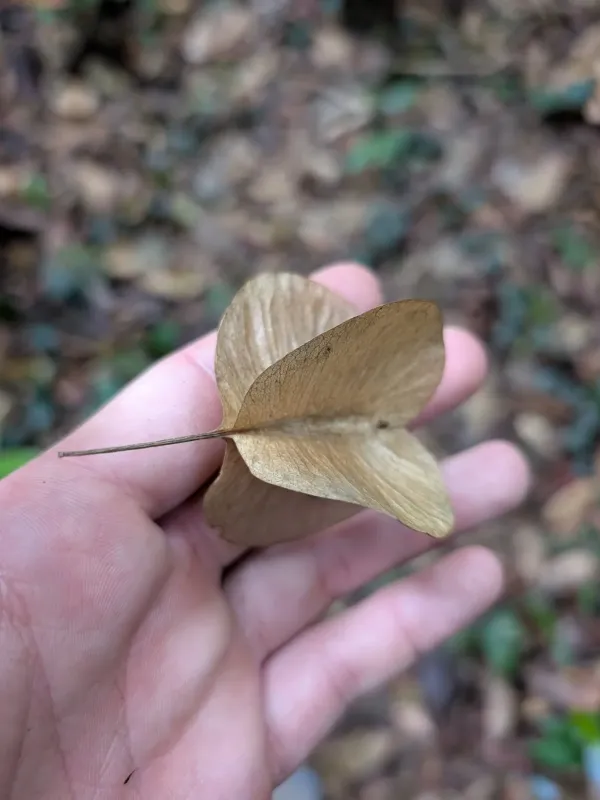
Description
Growing requirements
Petersianthus macrocarpus, commonly known as the African illala or eso, is a prominent tree species belonging to the Lecythidaceae family. It is native to the tropical rainforests of Central and West Africa.
The tree thrives in regions with consistently high rainfall and deep, nutrient-rich soils. As a large-canopy species, it requires ample space to reach its full potential, often growing upwards of 50 meters in height.
Cultivation requires specialized forestry management focused on preserving soil structure. The species is highly sensitive to soil compaction and demands adequate drainage to prevent root diseases in its juvenile phase.
Environmental conditions must mimic the tropical climate, characterized by minimal temperature fluctuations. It is an essential component of the ecosystem, providing habitat for various canopy-dwelling fauna.
Economically, the timber is highly valued for its physical properties, including durability and high density. It serves as a sustainable alternative to more over-harvested tropical hardwood species in various construction and decorative applications.
Main diseases and pests
Habitat loss due to land conversion remains the most significant threat to the survival of the species. Sustainable forest management is essential to prevent the depletion of natural stands.
Biological threats include wood-boring beetles that can affect the quality of timber if logs are not processed promptly. Fungal pathogens, when triggered by extreme weather anomalies, can also impact overall tree vigor.