
Foetidia mauritiana
Foetidia mauritiana
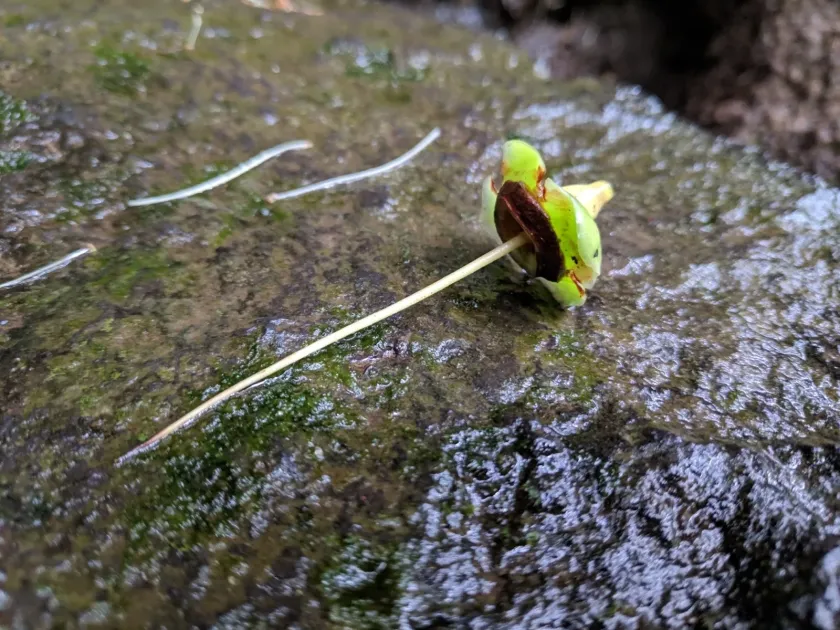
Description
Growing requirements
Foetidia mauritiana is an evergreen tree belonging to the family Lecythidaceae. It is a rare endemic species native to the island of Mauritius, where it has evolved within specialized forest ecosystems over millennia.
This tree requires a tropical climate characterized by consistently warm temperatures and high relative humidity. It thrives best in environments that mimic the stable conditions of its natural forest habitat throughout the entire year.
Soil requirements involve well-drained substrates rich in organic matter. While the tree appreciates consistent moisture, it is crucial to avoid waterlogged conditions, which can lead to root system decay and hinder growth rates.
Regarding agrotechnical needs, young trees benefit from filtered light or partial shade to protect them from direct, intense sunlight. As the tree matures, it develops greater structural stability, showing remarkable resilience to local tropical weather patterns.
The economic and research value of Foetidia mauritiana is primarily linked to conservation biology. It is actively preserved in botanical gardens, serving as a vital genetic repository for studying rare tropical forest dynamics and sustainable management practices.
Main diseases and pests
The primary threat to the wild population of Foetidia mauritiana is competition from invasive plant species. These weeds aggressively occupy space and resources, effectively preventing natural recruitment and limiting the tree's expansion.
Predation by invasive mammals, such as rats, poses a significant threat to seeds and seedlings. This predation is a major limiting factor in the natural regeneration cycle of the species in unprotected forest areas.
Pathogenic fungi can affect the tree bark and vascular system, particularly if the plant is under stress from improper humidity or poor soil aeration. Regular inspection and maintaining optimal growing conditions are essential for protection.
Climate change, manifesting as altered precipitation patterns and increased drought frequency, poses a long-term risk. Drought stress makes the plants more susceptible to secondary pests and structural decay, further complicating conservation efforts.
Habitat fragmentation remains a pressing issue for the survival of the species. Conservationists are focusing on habitat restoration and controlled cultivation in nurseries to bolster populations and ensure the long-term survival of this unique tree.