
Eschweilera grandiflora
Eschweilera grandiflora
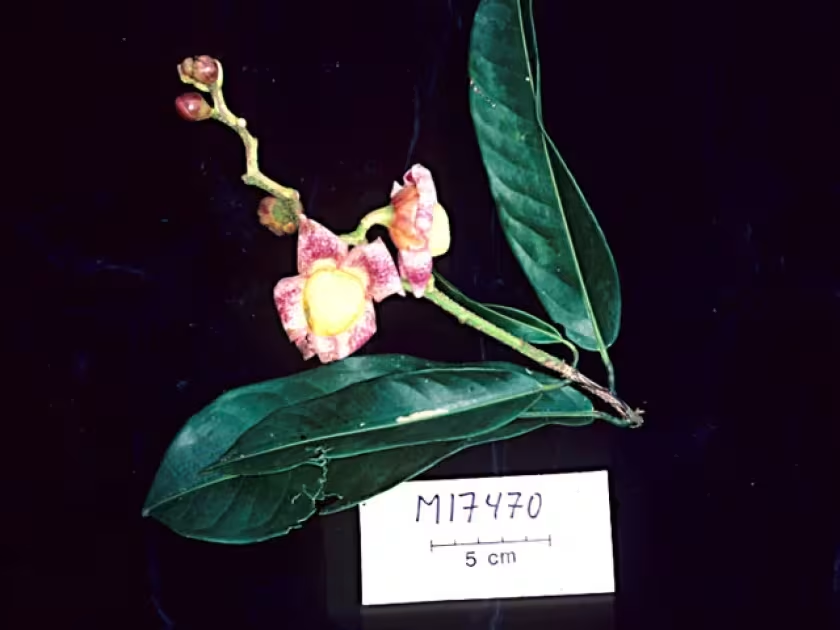
Description
Growing requirements
Eschweilera grandiflora is a notable species within the Lecythidaceae family, native to the tropical rainforests of South America. It is characterized by its significant size and botanical structure, typical for dominant trees in equatorial ecosystems.
The cultivation of this species requires a stable, high-humidity tropical climate. It thrives in regions where rainfall is abundant throughout the year, as the tree lacks significant mechanisms to survive prolonged drought periods.
Soil requirements are strict, demanding deep, well-drained, and nutrient-rich substrates. The tree shows high susceptibility to root diseases if waterlogging occurs, making topographical selection of the planting site a priority.
Regarding light, while seedlings appreciate filtered shade, mature specimens require full sun exposure to reach their maximum potential for growth and fruit production. The spacing between trees should be sufficient to allow for canopy development.
Soil pH management is essential for nutrient uptake. A range between 5.5 and 6.5 is considered optimal for facilitating the availability of essential minerals in the soil, promoting healthier vegetative development and stronger wood structure.
Harvesting
The utility of Eschweilera grandiflora is multifaceted. It is widely recognized for its timber, which is dense, durable, and highly valued for heavy construction and long-lasting wood products used in tropical environments.
Harvesting fruit requires careful management of the plantation. The fruits are woody capsules that release seeds upon maturity. Timely harvest is necessary to prevent potential seed damage from pests or humidity-induced decay on the forest floor.
Post-harvest procedures include thorough cleaning of the seeds and moisture control, which is vital to ensure seed viability if they are intended for propagation or further industrial extraction of oils.
In industrial forestry, sustainable harvesting practices are employed to ensure that the removal of timber does not disrupt the long-term ecological balance of the area, maintaining the potential for future forest regeneration.
The yield is often determined by the tree's health and the age of the stand. Regular maintenance, including clearing competing vegetation, significantly improves the individual tree yield and increases the overall quality of the harvested output.