
Leonotis ocymifolia
Leonotis ocymifolia
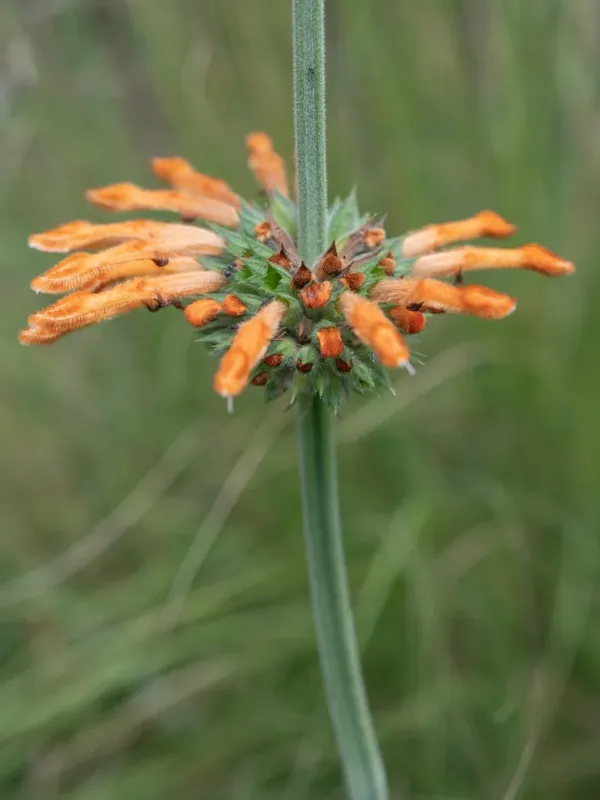
Description
Sowing dates
Leonotis ocymifolia is typically sown in spring once soil temperatures reach 15-18 degrees Celsius. For optimal germination, seeds may require stratification or soaking in plant growth regulators to break dormancy.
Recommended spacing involves rows 45 to 60 centimeters apart, allowing sufficient room for the plant to bush out. Seeds should be planted at a shallow depth of 1-2 centimeters, as they require light to achieve maximum germination rates.
In regions with long growing seasons, starting the crop in a nursery is an effective method to shorten the time to harvest. Seedlings can be transplanted outdoors once the risk of spring frost has completely passed.
The crop exhibits slow initial growth, making early weed management essential for establishing a healthy stand. Once established, the dense foliage of the plant effectively suppresses weed competition.
In warmer climates, autumn sowing is possible if high-quality seeds are used, provided that a mulch layer is applied to protect young plants from significant temperature fluctuations during the winter months.
Growing requirements
Leonotis ocymifolia is a notable member of the Lamiaceae family, native to the tropical and subtropical regions of Africa. It thrives in well-drained, fertile soils with a neutral to slightly acidic pH level.
This crop requires full sun exposure for optimal development; excessive shade often results in leggy stems and a reduction in the concentration of essential oils. While it displays moderate drought tolerance, regular irrigation is vital for maximum yield.
The optimal temperature range for vegetative growth is 20-28 degrees Celsius, and the species is highly sensitive to frost. In temperate zones, it is usually cultivated as a fast-growing annual crop.
The plant has moderate nutritional needs and responds well to organic fertilizers and balanced nitrogen-phosphorus applications during its rapid growth phase. Waterlogging must be avoided, as it easily leads to root rot.
Adapted to rocky and loamy soils in its native range, the species demonstrates high plasticity, allowing it to adapt to various agricultural environments when provided with adequate drainage.
Yield
Agricultural focus for Leonotis ocymifolia is primarily on the aerial biomass and floral parts, which are rich in bioactive compounds. Total yield is largely dictated by plant density and the efficiency of field management practices.
In commercial operations, harvesting is best performed at the onset of mass flowering, when concentrations of essential oils and flavonoids are at their peak. Well-managed plots can produce several tons of dry matter per hectare.
Yield performance is highly correlated with the number of harvests; with proper care, multiple cuts per season are possible as the plant readily regenerates from dormant buds after being cut.
The primary utility is in the pharmaceutical and herbal industries, where the plant is processed for extracts. It also maintains significant value in decorative landscaping for its unique appearance.
The quality of the harvested product is highly dependent on drying conditions. Drying should be conducted in shaded, well-ventilated areas to ensure the preservation of volatile aromatic components.
Main diseases and pests
Leonotis ocymifolia is generally resistant to many common agricultural pests due to its robust chemical defense system. However, slugs and snails can pose a threat to young seedlings during periods of high humidity.
Among diseases, fungal infections like powdery mildew are the most common, particularly in dense stands with poor air circulation. Proper spacing remains the best preventative measure against such outbreaks.
Root rot remains a critical risk in waterlogged conditions or on heavy clay soils. Using drip irrigation systems helps mitigate the risk of excessive moisture accumulating around the plant collar.
Insects like aphids may target tender apical shoots during drought, necessitating the use of biological insecticides or mild plant-based solutions if the infestation exceeds economic thresholds.
To ensure long-term site health, agronomists recommend strict crop rotation, avoiding planting Leonotis after other members of the Lamiaceae family for at least 3-4 years to reduce soil-borne pathogen risks.
Harvesting
Harvesting Leonotis ocymifolia requires careful handling to protect the delicate inflorescences, which contain the highest concentration of bioactive ingredients. Manual harvesting is often preferred for superior quality control.
For mechanized harvesting, specialized forage harvesters can be used, provided the cutting height is set to 15-20 centimeters above ground level to facilitate successful regeneration of the plants for subsequent cuts.
Freshly harvested material must be transported to drying facilities immediately to prevent heating and the loss of precious volatile oils. Drying should occur at temperatures not exceeding 40 degrees Celsius.
Finished raw material should be stored in airtight containers that block light and moisture to maintain product stability and potency over extended storage periods.
Regular monitoring of stored products for signs of moisture or insect contamination is essential to maintain the highest quality standards for pharmaceutical and commercial distribution.